How many calories are in a glass of wine?
Alcohol and residual sugar drive the numbers
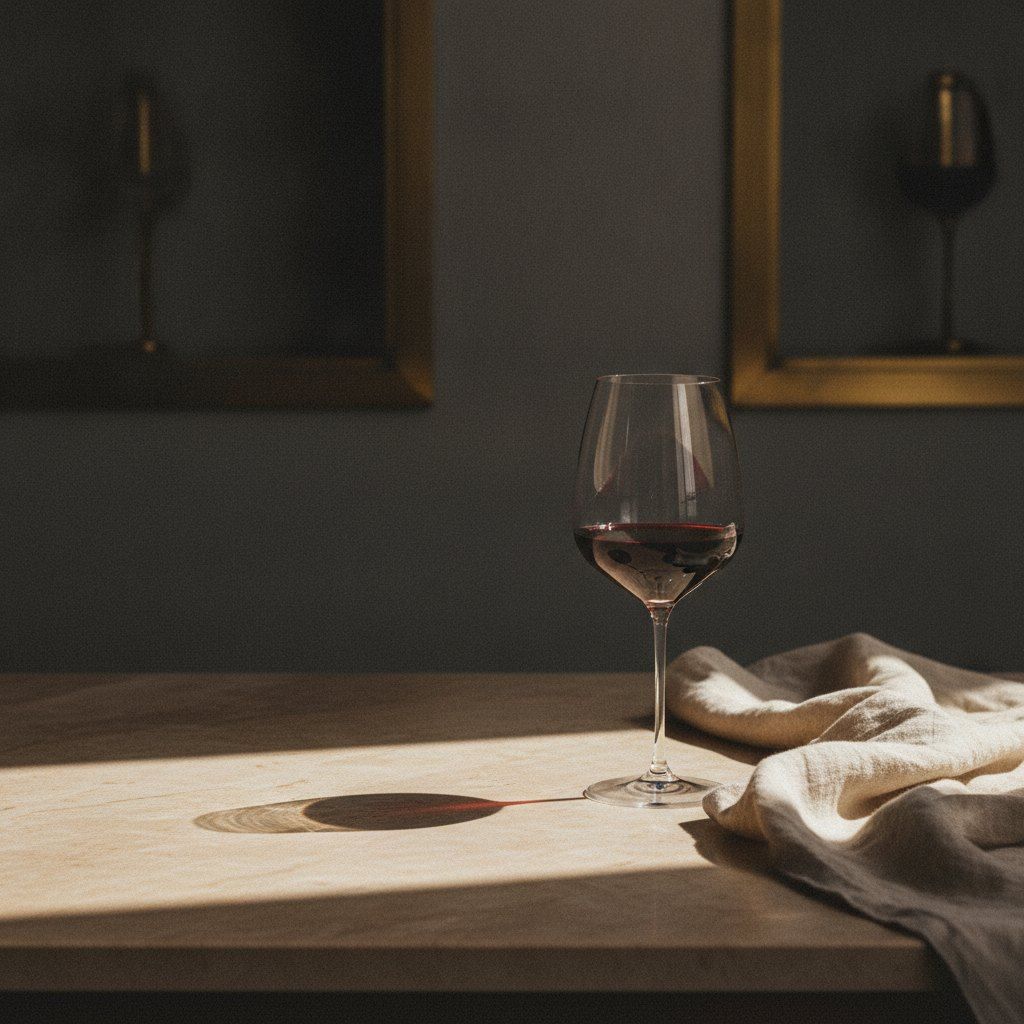
A standard 5-ounce (150 ml) glass of dry wine contains roughly 120–130 calories. Alcohol is the main source, so higher-alcohol and sweeter wines carry more — a glass of dessert wine can reach 200 calories or more.
Most of the calories in wine come from alcohol, not sugar. Ethanol packs about 7 calories per gram — nearly as much as fat and almost double the 4 calories per gram in carbohydrates — so a wine's alcohol level is the single biggest driver of its calorie count.
A typical 5-ounce (150 ml) pour of dry red or white wine at 12–14% ABV lands around 120–130 calories. Lighter, lower-alcohol styles such as a 10% Vinho Verde or a German Kabinett Riesling can dip closer to 90–110, while a rich 15% Zinfandel or Amarone climbs toward 150.
Residual sugar adds a second layer. Dry wines have almost none, but off-dry and dessert wines can carry significant sugar on top of their alcohol, pushing a small glass of Sauternes or Port well past 160–200 calories.
- A 5-ounce glass of dry wine is about 120–130 calories.
- Alcohol, at 7 calories per gram, is the main calorie source.
- Sweet and dessert wines add sugar calories on top — often 160–200+ per glass.
- Dry sparkling wine is among the lightest, near 90–100 calories.
- Quick estimate: ounces × ABV × 1.6 ≈ calories from alcohol.
To estimate a wine's calories quickly, multiply the ounces by the ABV by about 1.6. A 5-ounce glass at 13% works out to roughly 5 × 13 × 1.6 ≈ 104 calories from alcohol, before adding anything for residual sugar. It is a rough guide, but it explains why a generous restaurant pour — often 6 or even 8 ounces — quietly delivers far more than the "standard" figure suggests.
Sparkling wine is often the lightest option: Brut Champagne and most dry sparkling wines run around 90–100 calories per glass because they are lower in residual sugar and sometimes slightly lower in alcohol. Sweeter sparkling styles like Demi-Sec or Moscato d'Asti carry more sugar and land higher.
Wine has no meaningful fat or protein, and its carbohydrate content is modest in dry styles — usually under 4 grams per glass. If you are watching intake, the levers that matter most are pour size and alcohol level: choosing a lower-ABV wine and sticking to a true 5-ounce measure makes a bigger difference than fixating on sugar alone.
Frequently asked questions
Does red or white wine have more calories?
They are very similar when both are dry. The difference comes down to alcohol level rather than colour — a 14.5% red will have more calories than an 11.5% white, and vice versa. Sweetness matters more than colour.
Which wine has the fewest calories?
Dry, lower-alcohol wines and Brut sparkling wines are lightest, often around 90–110 calories per glass. Look for wines around 11–12% ABV with no residual sugar, such as Vinho Verde, dry Riesling, or Brut Champagne.
Does wine have sugar and carbs?
Dry wine has very little — usually under 4 grams of carbohydrate per glass, since fermentation converts most grape sugar to alcohol. Off-dry and dessert wines retain more residual sugar and carry noticeably more carbs and calories.
Ask your own wine questions — Sommvi's AI sommelier has the answers.
Download on the App Store