Skip to content
⌈ The World in a Glass ⌉

Wine Regions:
Where Great Wine Grows.

A wine's character is shaped as much by where it grew as by what it is. These are the regions that define what wine can be.

The most useful thing to understand about wine geography is that it isn't arbitrary. The great wine regions of the world are great because their combination of soil, climate, and centuries of accumulated knowledge produces something that cannot be replicated elsewhere. A Pinot Noir from Burgundy tastes different from a Pinot Noir from Oregon for the same reason a tomato from a sun-drenched Italian garden tastes different from one grown in a greenhouse: the place is part of the flavour.

Learning the major regions is the fastest way to develop wine intuition. Once you understand what Bordeaux, Burgundy, and the Rhône Valley are doing, the rest of French wine becomes legible. The same logic applies to Italy, Spain, and the New World. The map is a shortcut to the glass.

I.
⌈ Cabernet Sauvignon, Merlot, Cabernet Franc ⌉

Bordeaux

France

Structured, age-worthy reds with blackcurrant and cedar; lush whites with citrus and honey.

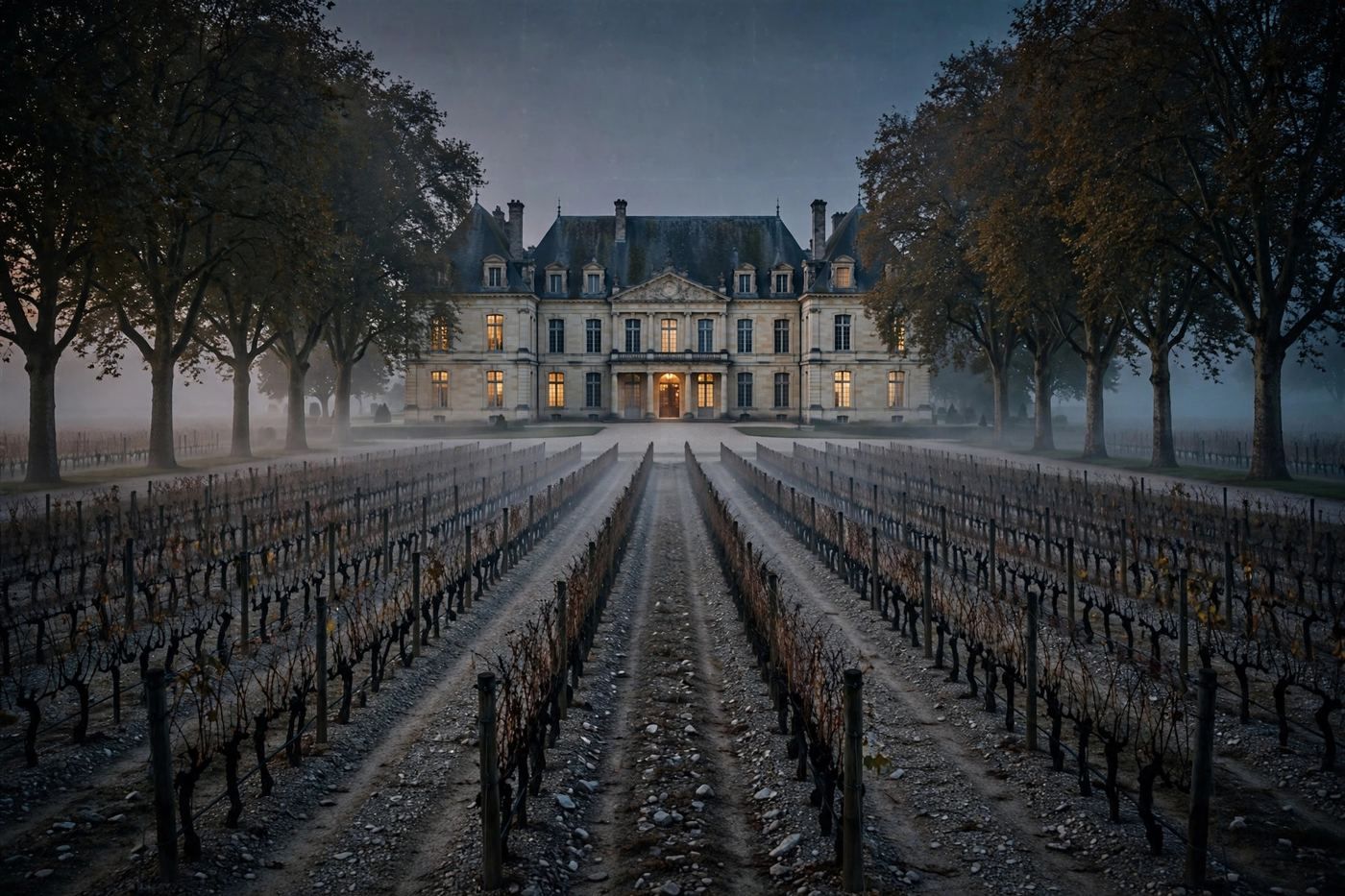
Bordeaux is the world's most famous wine region — the benchmark for Cabernet Sauvignon-based reds, and the origin of many of the most celebrated bottles in existence. It sits at the mouth of the Gironde estuary in southwest France, divided into two broad banks: the Left Bank (Médoc, Graves) where Cabernet Sauvignon dominates, and the Right Bank (Saint-Émilion, Pomerol) where Merlot leads.

Left Bank Bordeaux tends toward austerity in youth — blackcurrant, cigar box, earth, long ageing potential. Think Château Latour, Mouton Rothschild, Lynch-Bages. Right Bank Bordeaux is more plush and approachable: plum, chocolate, richness. Entry-level Bordeaux is outstanding value — the same soils and producers, simpler wines made for earlier drinking.

Classic pairings

Rack of lamb, beef Wellington, aged hard cheese, duck confit.

Best for: Palates that love structure, grip, and complexity — wines that reward patience.

Read full guide
II.
⌈ Pinot Noir, Chardonnay ⌉

Burgundy

France

Elegant, terroir-driven — some of the world's most complex wines from just two grapes.

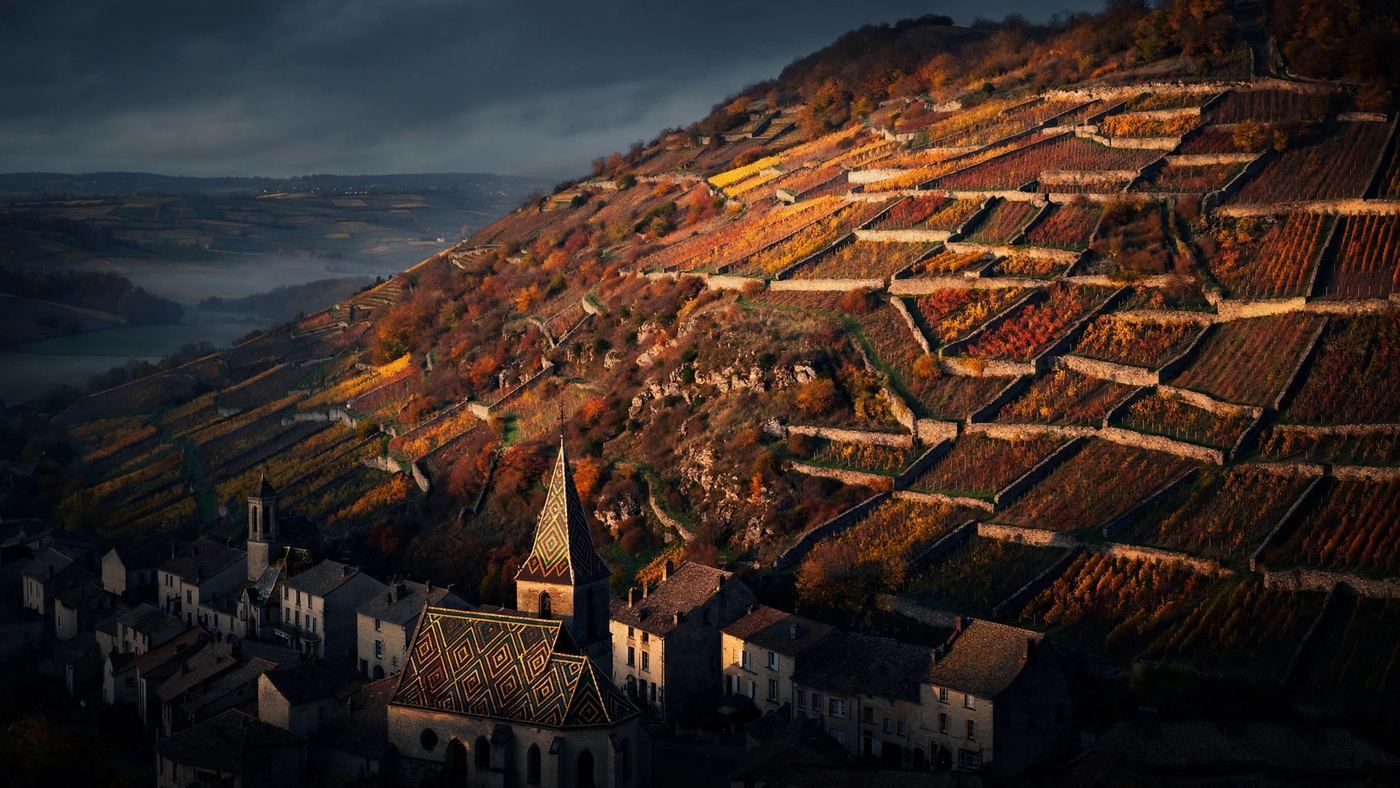
Burgundy is where the conversation about wine becomes almost spiritual. Two grapes — Pinot Noir and Chardonnay — grown across a narrow strip of eastern France produce wines of such variety and complexity that serious collectors spend lifetimes exploring them. The secret is the terroir: the Côte d'Or is a mosaic of limestone and clay slopes, each plot producing a subtly different wine.

Red Burgundy: light to medium body, high acidity, red fruit, earth, and an almost haunting complexity in great examples. The opposite of power — it's about nuance. White Burgundy: from the crisp austerity of Chablis to the rich minerality of Meursault and Puligny-Montrachet — the benchmark for Chardonnay worldwide.

Classic pairings

Coq au vin, roast chicken, mushroom risotto (reds); lobster, white fish, soft cheese (whites).

Best for: Those who value elegance over power, and are willing to pay for it.

Read full guide
III.
⌈ Chardonnay, Pinot Noir, Pinot Meunier ⌉

Champagne

France

Sparkling wines from lean and precise to rich and toasty — always high acidity, always fine bubbles.

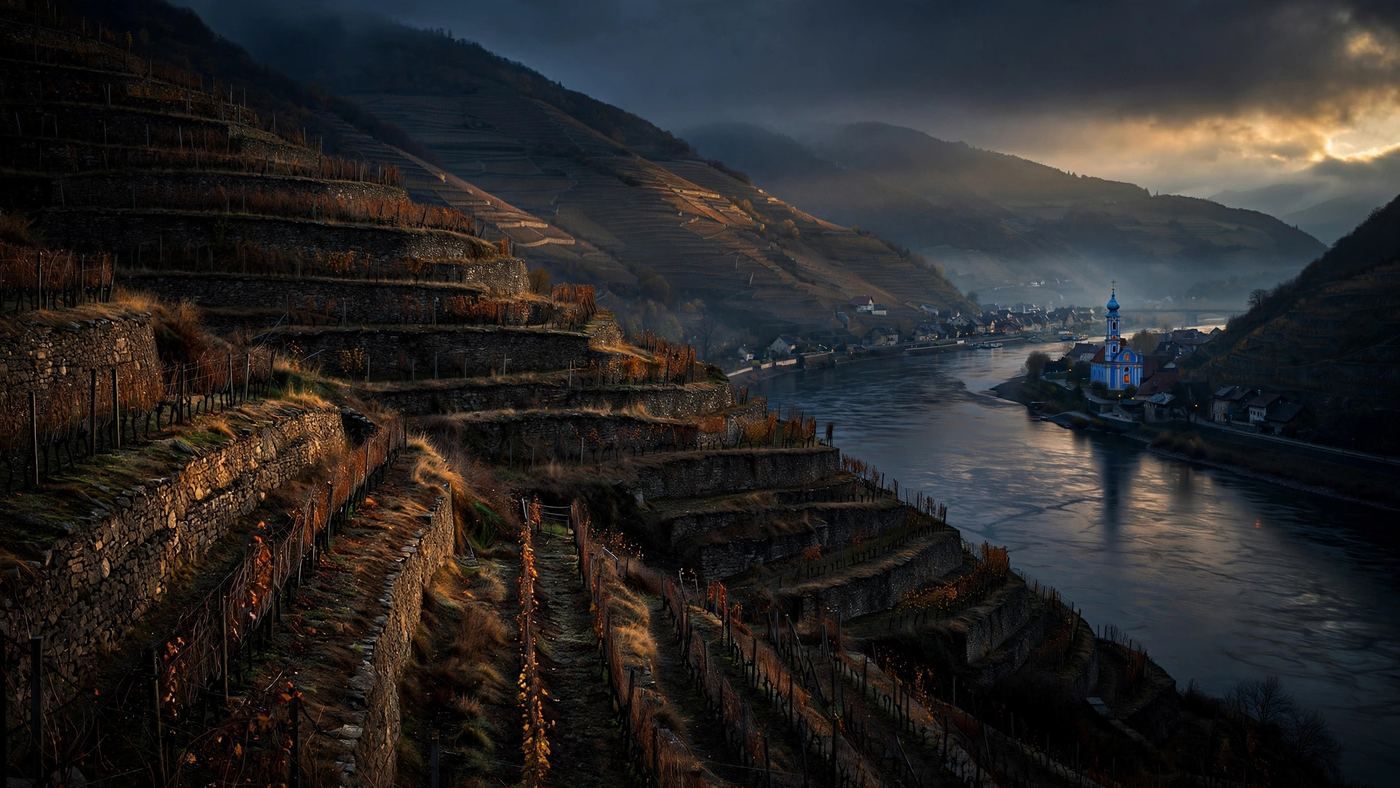
Champagne is the world's most famous sparkling wine region. The chalk soils of the Marne valley impart a distinctive minerality, and the méthode champenoise produces the finest bubbles and most complex sparkling wines made anywhere. Non-vintage for consistent house character; Vintage for single-year depth; Blanc de Blancs for electric precision; Blanc de Noirs for fullness.

Grower Champagne is the most exciting category for curious drinkers: small producers making wines that express their specific village rather than a house style. Often extraordinary, often under €50.

Classic pairings

Oysters, fried food, sushi, light starters, soft cheese. Almost everything.

Best for: All palates. Champagne is the most food-versatile wine category in existence.

Read full guide
IV.
⌈ Syrah, Grenache, Viognier, Marsanne, Mourvèdre ⌉

Rhône Valley

France

North: intense, peppery Syrah reds and aromatic whites. South: generous, warm, blended reds.

The Rhône is split by character as much as geography. The Northern Rhône — Hermitage, Côte-Rôtie, Crozes-Hermitage — produces some of France's most powerful reds from pure Syrah: black olive, black pepper, smoked meat. Condrieu produces extraordinary whites from Viognier: intensely aromatic with peach, apricot, and florals.

The Southern Rhône — Châteauneuf-du-Pape, Gigondas — is warmer and more generous: richer fruit, more alcohol, blended from many grapes. These are wines of power, warmth, and Mediterranean character. The Côtes du Rhône appellation is one of France's great value propositions.

Classic pairings

Northern reds with game, lamb, grilled beef. Southern reds with cassoulet, Mediterranean meat. Whites with rich fish.

Best for: Those who love warmth, spice, and generosity in a red wine.

Read full guide
V.
⌈ Sangiovese, Vernaccia ⌉

Tuscany

Italy

Medium to full-bodied reds with high acidity, firm tannins, cherry fruit, and earthy complexity.

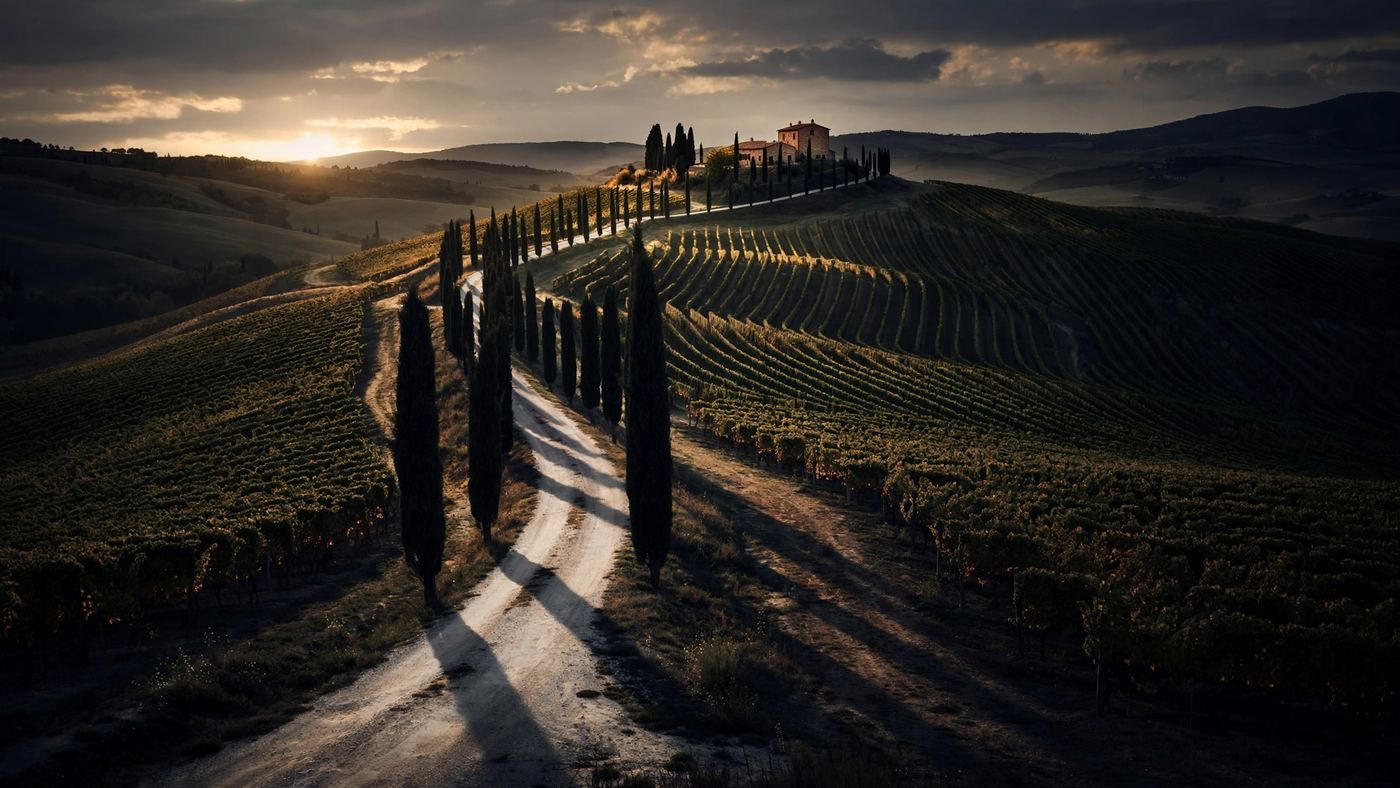
Tuscany is Italy's most celebrated wine region and home to Chianti. Sangiovese — high-acid, firm-tannin — combines sour cherry, dried herbs, leather, and earthy tobacco in its finest expressions. It is inseparable from Italian food: the pairings feel written by the landscape.

The major appellations: Chianti Classico — the historical heartland. Brunello di Montalcino — the region's most prestigious red, aged for years, capable of extraordinary longevity. Super Tuscans — created when innovative producers blended Sangiovese with Cabernet or Merlot outside traditional rules: Sassicaia, Ornellaia, Tignanello.

Classic pairings

Pasta al ragù, bistecca Fiorentina, wild boar, Pecorino Toscano, cured meats.

Best for: Those who love food-driven wines with character and acidity.

Read full guide
VI.
⌈ Nebbiolo, Barbera, Dolcetto, Moscato ⌉

Piedmont

Italy

Barolo and Barbaresco: ferocious structure, high acidity, extraordinary complexity. Barbera: joyful and food-friendly.

Piedmont produces wines of remarkable diversity and quality. At its apex sit Barolo and Barbaresco, both from Nebbiolo: the highest tannins of any Italian grape, high acidity, and — in maturity — extraordinary perfume. Rose, tar, dried violets, truffle, wild herbs. They are difficult young and glorious aged. Barolo is called "the king of Italian wines" with some justification.

Barbera d'Asti and d'Alba are the region's everyday wines: high acid, low tannin, exuberant fruit, made for the table. Outstanding value. Moscato d'Asti — gently sparkling, delicately sweet, low alcohol — is one of the world's most perfect dessert wines.

Classic pairings

Barolo with braised beef, truffles, aged Parmigiano. Barbera with pasta, pizza. Moscato with fruit desserts.

Best for: Serious red wine lovers willing to wait. And anyone who loves beautiful, food-friendly everyday wines.

Read full guide
VII.
⌈ Tempranillo, Garnacha, Graciano ⌉

Rioja

Spain

Oak-aged reds from modern and fruit-forward to classic and complex. A classification system that tells you exactly what you're getting.

Rioja is Spain's most internationally recognised wine region, and its classification — Crianza, Reserva, Gran Reserva — is one of the most useful in wine because it tells you directly how long the wine has been aged. Crianza: minimum 2 years (1 in oak), ready to drink. Reserva: 3 years, more complexity. Gran Reserva: 5 years minimum, made only in the best vintages.

The style that made Rioja famous — long oak ageing, dried fruit, leather, vanilla from American oak — remains distinct and delicious. Modern Riojas tend toward more fruit and fresher expression, less oak. Both styles have passionate advocates.

Classic pairings

Lamb (the classic), roast meats, Iberian charcuterie, aged Manchego, bean stews.

Best for: Those who love oak-aged, complex reds with warmth and character.

Read full guide
VIII.
⌈ Cabernet Sauvignon, Merlot, Chardonnay ⌉

Napa Valley

California, USA

Rich, ripe, full-bodied reds with generous fruit and oak. American wine's answer to Bordeaux in ambition and price.

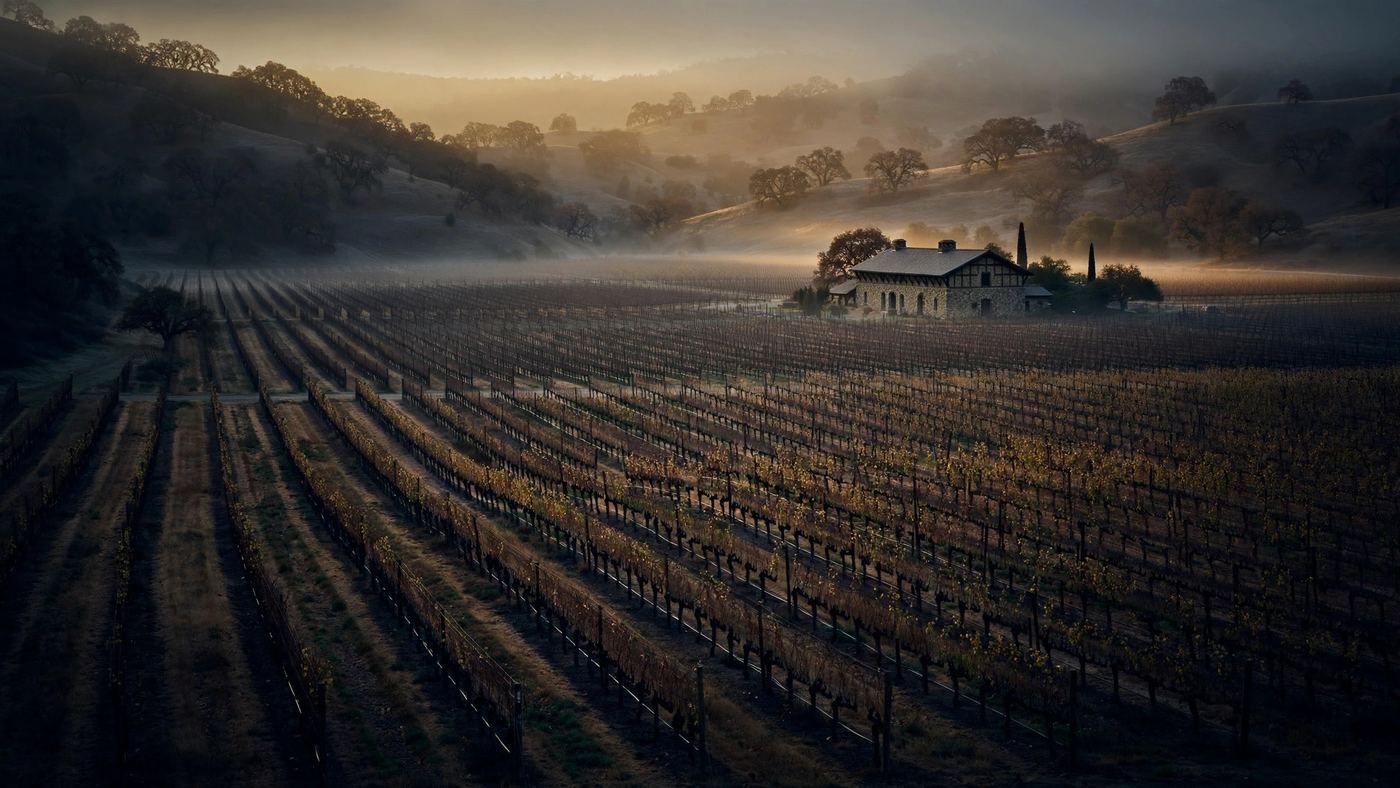
Napa Valley is California's most celebrated wine region. The valley's warm days and cool nights produce Cabernet Sauvignon of extraordinary ripeness and concentration: blackcurrant, cassis, chocolate, vanilla, cedar. At their best, these are serious, age-worthy wines of real complexity.

The AVA system within Napa identifies sub-regions: Oakville and Rutherford on the valley floor; Howell Mountain, Spring Mountain, and Diamond Mountain in the hills — generally more structured and age-worthy. The best producers — Stag's Leap, Opus One, Ridge, Dunn, Heitz Cellar — make wines of genuine greatness.

Classic pairings

Grilled ribeye, rack of lamb, aged hard cheese, mushroom-based dishes.

Best for: Those who love bold, generous, fruit-forward reds. A gateway into serious American wine.

Read full guide
IX.
⌈ Pinot Noir, Pinot Gris, Chardonnay ⌉

Willamette Valley

Oregon, USA

Elegant, cool-climate Pinot Noir with Burgundian restraint. The place Burgundy lovers in America turn to.

Oregon's Willamette Valley produces Pinot Noir of genuine elegance: red fruit, earth, acidity, and a transparency of expression that recalls Burgundy more than any other New World region. Cool, rainy, and misty — the opposite of California — it's where restraint is a feature, not an absence.

Producers like Eyrie (who started it all), Adelsheim, Domaine Drouhin Oregon, Cristom, and Ponzi have built a reputation for quality that is now unquestioned. The Pinot Gris is also excellent — often richer and more textured than Alsatian examples.

Classic pairings

Salmon, duck, earthy mushroom dishes, soft cheeses.

Best for: Burgundy lovers, and those who find California Pinot Noir too ripe.

Read full guide
X.
⌈ Shiraz, Grenache, Mourvèdre, Riesling ⌉

Barossa Valley

South Australia

Full-bodied, richly fruited Shiraz from some of the world's oldest vines. Bold, generous, with real personality.

The Barossa is Australia's most famous wine region and home to some of the world's oldest Shiraz vines — ungrafted pre-phylloxera plants over 150 years old. The wines they produce are exceptional: concentrated, complex, with dried fruit, dark chocolate, and a signature dark earth character. Penfolds' Grange — arguably Australia's most celebrated wine — is made partly or wholly from Barossa Shiraz.

The region also produces excellent Grenache from old vines, and increasingly restrained, food-friendly expressions as the new generation of winemakers explores lower-alcohol styles. Neighbouring Clare Valley produces some of Australia's finest Riesling: bone dry, high in acid, with lime and mineral character that ages beautifully.

Classic pairings

Grilled red meat (lamb, beef), game, aged hard cheeses.

Best for: Those who love bold, generous, fruit-driven reds with real personality.

Read full guide
XI.
⌈ Sauvignon Blanc, Pinot Noir, Pinot Gris ⌉

Marlborough

New Zealand

Benchmark Sauvignon Blanc with intense aromatics. Increasingly serious Pinot Noir.

Marlborough, at the northern tip of New Zealand's South Island, is where Sauvignon Blanc found its most distinctive New World voice. The region's intense sunlight, cool nights, and stony river soils produce Sauvignon Blanc of striking aromatic intensity: passionfruit, grapefruit, fresh cut grass, gooseberry. It's a polarising style — some find it more exciting than Loire Sauvignon; traditionalists prefer the Loire's restraint.

The Pinot Noir is increasingly the region's exciting story. Marlborough Pinot ranges from lighter, early-drinking styles to more serious, complex expressions — particularly from the Southern Valleys sub-region.

Classic pairings

Sauvignon Blanc with goat's cheese, shellfish, asparagus, Thai food. Pinot Noir with salmon, duck.

Best for: Lovers of aromatic, fresh, high-acid whites. And those discovering that New Zealand makes far more than one wine style.

Read full guide
82Regions mapped
14Countries
122Key grapes covered

Browse All 82 Regions

Every region has its own in-depth guide — grapes, vintages, food pairings, and more.

France · 23 regions

Alsace, France — editorial wine landscape photography France Alsace France's most aromatic wines, grown in Germany's shadow 6 key grapes Bandol, France — editorial wine landscape photography France Bandol Sun-baked Mourvèdre by the sea — Provence's most structured red and its most serious rosé. 3 key grapes Beaujolais, France — editorial wine landscape photography France Beaujolais Gamay on granite — France's most joyful red, and one of its most underrated. 2 key grapes Cahors, France — editorial wine landscape photography France Cahors Malbec's ancestral home in south-west France — the historic 'black wine', dark, structured, and savoury, a firmer counterpoint to Argentina's plush style. 3 key grapes Chablis, France — editorial wine landscape photography France Chablis Chardonnay stripped bare — flint, oyster shell, and cold stone. 1 key grapes Champagne, France — editorial wine landscape photography France Champagne The world's finest sparkling wine — and the reason the word exists 3 key grapes Châteauneuf-du-Pape, France — editorial wine landscape photography France Châteauneuf-du-Pape Sun-baked Grenache over rolling stones — the southern Rhône at full power. 3 key grapes Chinon, France — editorial wine landscape photography France Chinon The Loire's benchmark red — fresh, aromatic Cabernet Franc with red-berry fruit, a graphite-and-violet lift, and a savoury, food-friendly grip that makes it a sommelier favourite. 1 key grapes Gigondas, France — editorial wine landscape photography France Gigondas Grenache with muscle — Châteauneuf's brawnier, better-value neighbour, and one of the great Southern Rhône crus. 3 key grapes Languedoc, France — editorial wine landscape photography France Languedoc Garrigue, sunshine, and audacious value — France's most exciting frontier. 7 key grapes Loire Valley, France — editorial wine landscape photography France Loire Valley France's longest wine river — Sauvignon Blanc, Chenin Blanc, and Cabernet Franc in harmony 4 key grapes Médoc, France — editorial wine landscape photography France Médoc Bordeaux's Left Bank — gravel banks and Cabernet Sauvignon, the source of firm, structured, cellar-worthy reds and the famous 1855 classed growths. 3 key grapes Muscadet, France — editorial wine landscape photography France Muscadet The Loire's crisp, saline seafood white — bone-dry Melon de Bourgogne from near the Atlantic coast, often aged on its lees for texture and a mineral, sea-breeze snap. 1 key grapes Pomerol, France — editorial wine landscape photography France Pomerol Bordeaux's smallest great appellation — plush, silky Merlot from a plateau of blue clay, with no classification and some of the world's most coveted wines. 2 key grapes Pouilly-Fumé, France — editorial wine landscape photography France Pouilly-Fumé The Loire's flinty, smoke-tinged Sauvignon Blanc — Sancerre's neighbour across the river, with a distinctive mineral, gunflint edge. 1 key grapes Provence, France — editorial wine landscape photography France Provence Pale, dry, and serious — the rosé the world tries to copy. 5 key grapes Rhône Valley, France — editorial wine landscape photography France Rhône Valley From Syrah's granite spine to Châteauneuf's sun-baked garrigue 6 key grapes Saint-Émilion, France — editorial wine landscape photography France Saint-Émilion Merlot on limestone — the supple, generous heart of Right Bank Bordeaux. 3 key grapes Sancerre, France — editorial wine landscape photography France Sancerre Sauvignon Blanc with a spine of flint — the Loire's crisp, mineral benchmark. 2 key grapes Sauternes, France — editorial wine landscape photography France Sauternes Noble rot turned to gold — Bordeaux's great sweet wine, honeyed and immortal. 3 key grapes Vouvray, France — editorial wine landscape photography France Vouvray One grape, every style — Chenin Blanc on tuffeau, and one of the world's greatest and most misunderstood whites. 1 key grapes

Italy · 14 regions

Amarone della Valpolicella, Italy — editorial wine landscape photography Italy Amarone della Valpolicella Italy's most dramatic wine — dried grapes, concentrated power, and velvet depth 4 key grapes Barbaresco, Italy — editorial wine landscape photography Italy Barbaresco The aristocrat of Piedmont — Nebbiolo at its most perfumed, elegant, and dangerously drinkable 1 key grapes Barolo & Piedmont, Italy — editorial wine landscape photography Italy Barolo & Piedmont Barolo first — Nebbiolo, truffles, and the Langhe hills 4 key grapes Barolo, Italy — editorial wine landscape photography Italy Barolo The king of wines and the wine of kings — Nebbiolo at its most glorious and demanding 1 key grapes Bolgheri, Italy — editorial wine landscape photography Italy Bolgheri Tuscany's Mediterranean coast — Bordeaux grapes reborn on gravelly maritime soils, the birthplace of Sassicaia and the Super Tuscan revolution. 4 key grapes Brunello di Montalcino, Italy — editorial wine landscape photography Italy Brunello di Montalcino Italy's most age-worthy red — Sangiovese in its most austere, magnificent expression 1 key grapes Chianti Classico, Italy — editorial wine landscape photography Italy Chianti Classico The historic heart of Tuscany — the Gallo Nero and a thousand years of Sangiovese 4 key grapes Etna, Italy — editorial wine landscape photography Italy Etna Nerello Mascalese and Carricante on black volcanic soil — Sicily's answer to Burgundy. 3 key grapes Franciacorta, Italy — editorial wine landscape photography Italy Franciacorta Bottle-fermented sparkling from Lombardy — Italy's most serious fizz, and its best-kept secret. 4 key grapes Gavi, Italy — editorial wine landscape photography Italy Gavi Piedmont's answer to a great seafood white — crisp, citrusy Cortese with a stony, mineral core. 1 key grapes Prosecco, Italy — editorial wine landscape photography Italy Prosecco Italy's joyful sparkling wine — fresh, fruit-forward, made for the aperitivo hour 4 key grapes Soave, Italy — editorial wine landscape photography Italy Soave Garganega on volcanic hills — a once-abused name reborn as one of Italy's finest whites. 2 key grapes Valpolicella, Italy — editorial wine landscape photography Italy Valpolicella Corvina from Verona's hills — from bright cherry reds to the rich, raisined road to Amarone. 3 key grapes

Find your
region.

The world of wine regions is vast — but your palate already has preferences waiting to be discovered. Sommvi maps what you love to the regions most likely to become your favourites.

Download on the App Store