What is the difference between red and white wine?
It is about skin contact, not just grape colour
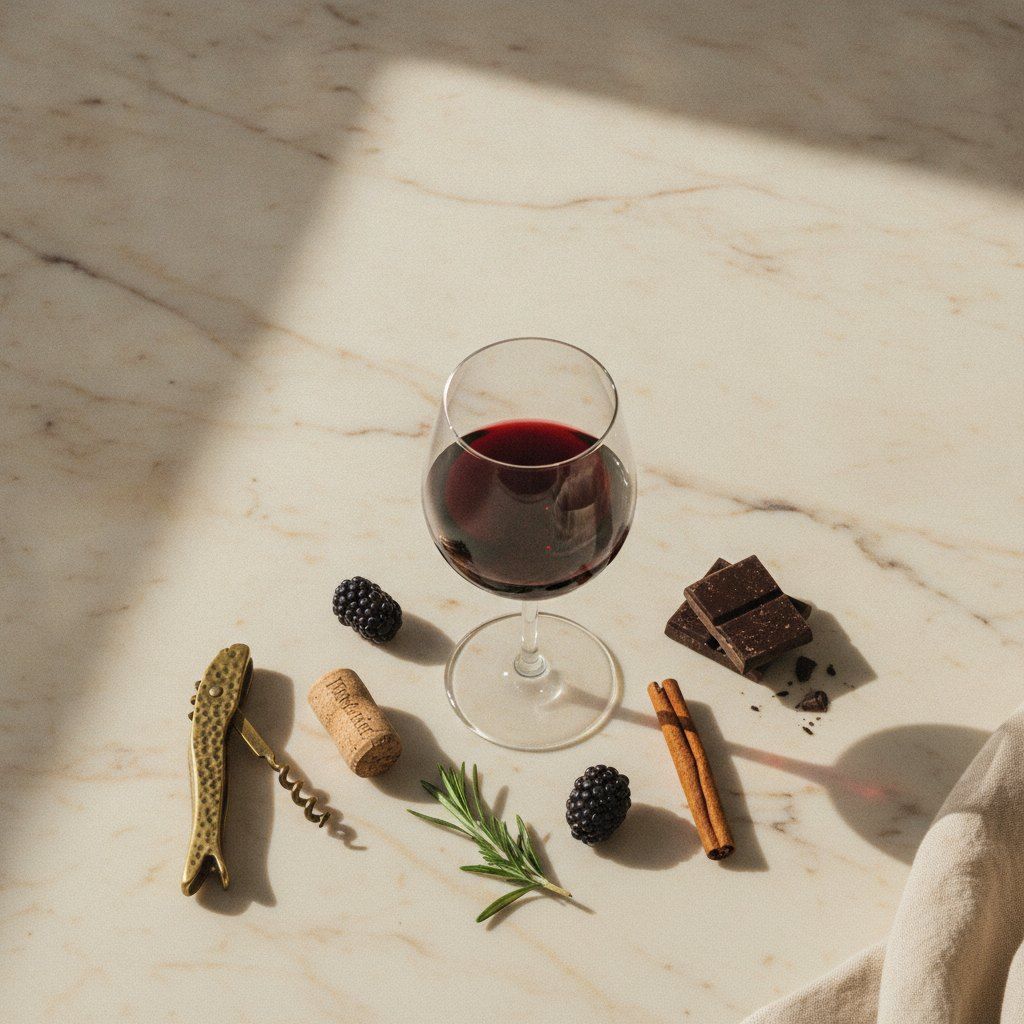
Red wine is made by fermenting grape juice together with the skins, which gives it colour, tannin, and structure. White wine is made by pressing the juice off the skins before fermentation, producing a lighter, crisper, lower-tannin wine.
The core difference between red and white wine is not the colour of the grape — it is skin contact. Red wine ferments with the grape skins in the vat; white wine does not. That single decision drives almost everything you taste: colour, tannin, texture, weight, and which foods each pairs with.
Grape skins are where the pigment lives. Left in contact with the fermenting juice, they leach colour and tannin into the wine, producing everything from pale ruby to inky purple. Press the juice away first and you get a wine that ranges from near-colourless to deep gold, with little to no tannin.
This is why you can make a white wine from a red grape — Champagne is famously produced from the red grapes Pinot Noir and Pinot Meunier, pressed gently so the clear juice never picks up colour. The flesh of almost all wine grapes is clear; the skin does the work.
- Skin contact during fermentation is the defining difference, not grape colour.
- Red wine ferments with the skins, gaining colour, tannin, and structure.
- White wine is pressed off the skins first, giving lower tannin and higher perceived acidity.
- You can make white wine from red grapes — Champagne uses Pinot Noir and Meunier.
- Reds are served cooler-than-room-temperature; whites are served chilled.
Because red wines carry tannin from the skins, they tend to feel fuller, more structured, and more age-worthy. Tannin acts as a preservative, which is why serious reds — Bordeaux, Barolo, Napa Cabernet — can improve for decades. They are typically served at cool room temperature (15–18°C) so the aromatics and structure show at their best, and they pair naturally with red meat and rich dishes because protein softens tannin.
White wines, made without skin tannin, lean on acidity for structure and freshness instead. They are generally served chilled (7–13°C), which accentuates their crisp, mouth-watering quality, and they pair beautifully with fish, poultry, salads, and lighter fare. Some whites gain body and texture from oak ageing or malolactic fermentation — an oaked Chardonnay can feel almost as weighty as a light red.
Rosé sits between the two: red grapes are given just a few hours of skin contact, enough for a blush of colour but little tannin, then pressed and fermented like a white. Winemaking choices — fermentation temperature, oak, lees ageing — blur the line further, so the reliable mental model is a spectrum of skin contact and tannin, not a hard binary.
Frequently asked questions
Can you make white wine from red grapes?
Yes. Because the juice of most grapes is clear, pressing red grapes gently and fermenting the juice without skin contact yields a white wine. Champagne is the classic example, made largely from the red grapes Pinot Noir and Pinot Meunier.
Why is red wine served warmer than white?
Red wines show their aromatics and soften their tannins best at cool room temperature (15–18°C), while whites are served chilled (7–13°C) to highlight their crisp acidity and freshness. Serving a red too warm makes the alcohol taste hot; serving a white too cold mutes its flavour.
Is red or white wine healthier?
Red wine contains more polyphenols and resveratrol from prolonged skin contact, which are often cited in heart-health discussions, but the differences are modest. Any health benefit applies only to moderate consumption, and no wine is a health food.
Ask your own wine questions — Sommvi's AI sommelier has the answers.
Download on the App Store