What does "jammy" mean in wine?
Fruit so ripe it tastes cooked — praise or criticism?
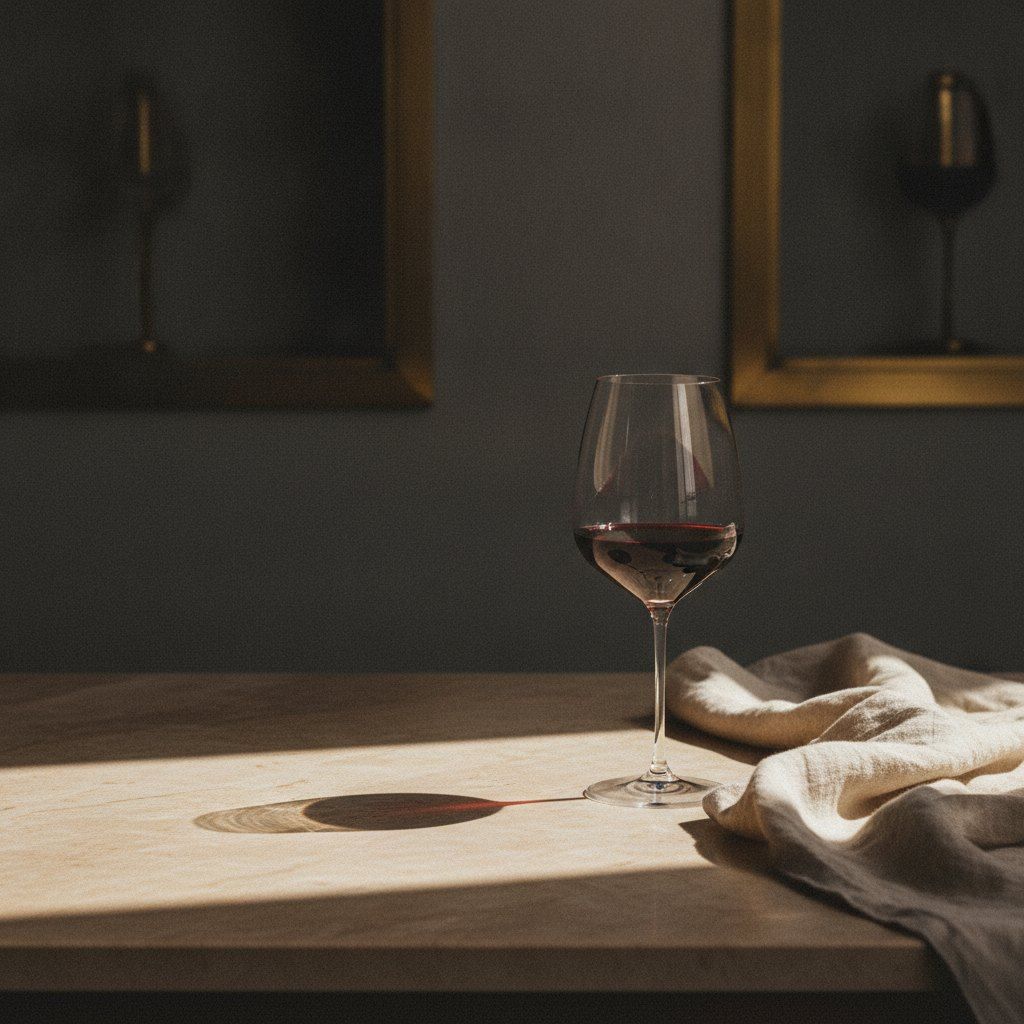
Jammy is a tasting term for wine whose fruit tastes cooked and concentrated — strawberry jam, blackberry preserve, or stewed plums rather than fresh fruit. It comes from very ripe grapes grown in warm climates or picked late, and it is typical of high-alcohol reds such as Zinfandel, Shiraz, and Grenache.
A jammy wine does not taste of fresh fruit picked off the bush; it tastes of fruit that has been cooked down into jam. The flavours are darker, sweeter-seeming, and more concentrated, the acidity feels lower, and the alcohol is usually higher — the whole wine leans toward richness and warmth.
Ripeness is the cause. In hot climates, or in hot vintages in cooler ones, grapes accumulate sugar quickly and lose acidity as they hang on the vine. Ferment that very ripe fruit and the result is a wine with jam-like flavours, soft structure, and alcohol of 14.5% or more. California Zinfandel, Barossa Shiraz, and southern Rhône Grenache blends are the textbook examples.
Jammy is one of wine's most double-edged descriptors. To many everyday drinkers it is pure praise — the wine is generous, smooth, and immediately pleasurable. To many critics it is a warning: jamminess can mean the grapes were overripe, the acidity that keeps wine fresh is gone, and one jammy wine starts to taste much like another, wherever it was grown.
- "Jammy" = cooked, concentrated fruit flavours, like jam rather than fresh berries.
- Caused by very ripe grapes — warm climates, hot vintages, late picking.
- Classic in Zinfandel, Barossa Shiraz, and southern Rhône Grenache blends.
- Praise to some drinkers, criticism to others: it can signal lost acidity and sameness.
- Jammy wines are high in alcohol and low in freshness — a clear palate preference signal.
The line between "ripe" and "jammy" is where the debate lives. Ripe fruit in a balanced wine still tastes fresh and is carried by acidity and tannin. Jammy fruit tastes stewed, sometimes with a baked or raisined edge, and the wine can feel heavy or flabby — a word tasters use for wine that lacks the acid spine to stay lively.
Climate change is pushing more regions across that line. Harvests that once produced fresh, medium-weight wines in Bordeaux, the Rhône, and parts of Italy now regularly produce riper, jammier ones, and winemakers are responding by picking earlier, farming for shade on the fruit, and choosing sites at altitude or on cooler exposures.
Whether you should like jammy wine is entirely personal — and genuinely useful information about your palate. If you consistently reach for big, jammy reds, you likely favour low-acid, high-extract wines, and leaner Old World styles may always feel thin to you. If jamminess tastes like heaviness, the opposite is probably true.
Frequently asked questions
Is jammy wine sweet?
Almost never, technically. Jammy wines are usually fermented dry, but the ripe fruit flavour and high alcohol create a strong impression of sweetness. The technical term is "fruit sweetness" — perceived, not measured, sugar.
Is jammy a wine fault?
No — it is a style descriptor, not a fault. It only counts against a wine when the jamminess comes with flabbiness: low acidity, excessive alcohol heat, and a lack of freshness or definition.
What food pairs with jammy wine?
Barbecued and smoked meats, sticky glazes, and rich tomato-based dishes. The wine’s ripe fruit stands up to char and sweetness in the food; avoid delicate dishes, which a jammy red will overwhelm.
Ask your own wine questions — Sommvi's AI sommelier has the answers.
Download on the App Store