What is a light-bodied wine?
Delicate, low-weight wines that feel like skimmed milk on the palate
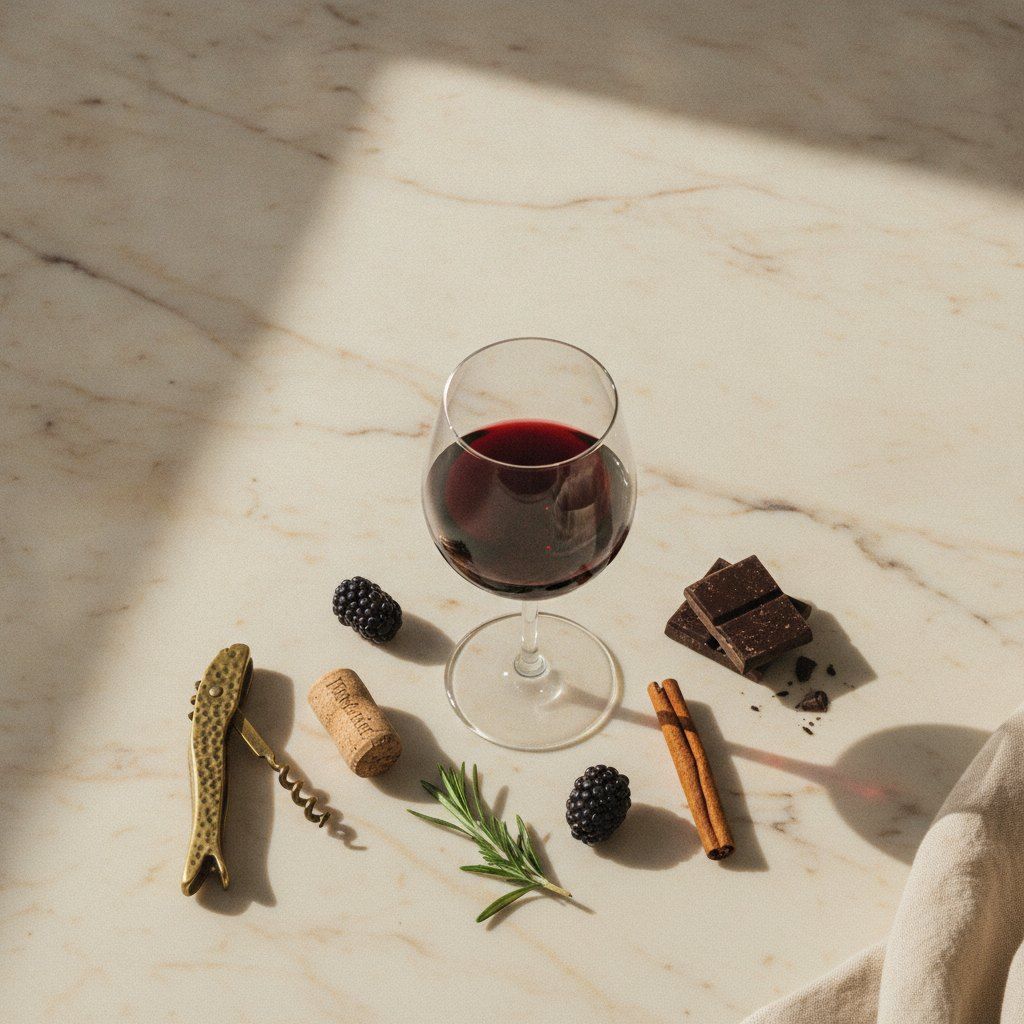
A light-bodied wine feels delicate and low in weight on the palate — comparable to how skimmed milk feels next to whole milk. Body is driven mainly by alcohol, so light-bodied wines are usually lower in alcohol (under about 12.5%) and taste fresh and easy rather than rich and mouth-filling.
"Body" describes how heavy or full a wine feels in your mouth — its weight and viscosity — rather than how it tastes. A useful analogy is milk: skimmed milk feels light and watery, whole milk feels rich and coating, and cream feels heavy. Wines fall along the same spectrum, from light- to medium- to full-bodied.
A light-bodied wine sits at the delicate end. It feels fresh and unweighty, tends to be lower in alcohol, and often carries high, refreshing acidity. Classic examples include Pinot Grigio, Muscadet, and Vinho Verde among whites, and Beaujolais, Pinot Noir, and many lighter Italian reds among reds.
Body is not the same as quality. A featherlight Mosel Riesling can be one of the greatest wines in the world; a heavy, high-alcohol red can be clumsy. Body simply tells you what to expect texturally and helps you match a wine to a moment or a meal.
- Body describes a wine’s weight and texture in the mouth, not its flavour.
- Light-bodied wines feel delicate, like skimmed milk versus cream.
- Alcohol is the main driver of body; light wines are usually under ~12.5% ABV.
- Pinot Grigio, Muscadet, Beaujolais, and Pinot Noir are classic examples.
- Light-bodied wines are food-versatile and best served cool.
The single biggest driver of body is alcohol. Alcohol is more viscous than water, so higher-alcohol wines feel weightier. Light-bodied wines generally sit below about 12.5% ABV, which is why cool-climate regions — where grapes ripen slowly and accumulate less sugar to convert into alcohol — tend to produce lighter wines. Other contributors include tannin and extract in reds, residual sugar, and glycerol.
You can gauge body without tasting by looking at "legs" — the streaks that run down the inside of the glass after you swirl. Slower, thicker legs suggest higher alcohol and a fuller body; thin, fast legs suggest a lighter wine. It is a rough guide, not a rule, but it tracks alcohol reasonably well.
Light-bodied wines are the most versatile at the table because they refresh rather than dominate. They shine as aperitifs, with lighter dishes — salads, shellfish, fresh cheeses, delicate fish — and in warm weather when a heavy wine feels like too much. Serve light-bodied whites well chilled and light-bodied reds slightly cool (around 13–15°C), which keeps their freshness and stops the modest alcohol from feeling flat. If you enjoy a light-bodied style, look for cool-climate origins and lower stated alcohol on the label.
Frequently asked questions
Is light-bodied wine lower in alcohol?
Usually, yes. Because alcohol is the main contributor to body, light-bodied wines tend to be lower in alcohol — often under 12.5% ABV. Cool-climate regions produce many of them, since grapes there ripen with less sugar to ferment into alcohol.
What is the difference between light-, medium-, and full-bodied wine?
It is a spectrum of mouth-weight. Light-bodied feels like skimmed milk (Pinot Grigio, Beaujolais); medium-bodied feels like whole milk (Merlot, unoaked Chardonnay); full-bodied feels like cream (Cabernet Sauvignon, oaked Chardonnay). Alcohol, tannin, and sugar all push a wine fuller.
Does light-bodied mean low quality?
Not at all. Body describes texture, not quality. Some of the world’s most prized wines — fine Mosel Riesling, red Burgundy — are light-bodied. Choose body to suit the occasion and the food, not as a measure of how good the wine is.
Ask your own wine questions — Sommvi's AI sommelier has the answers.
Download on the App Store