What is a magnum of wine?
Two bottles in one, and why collectors love them
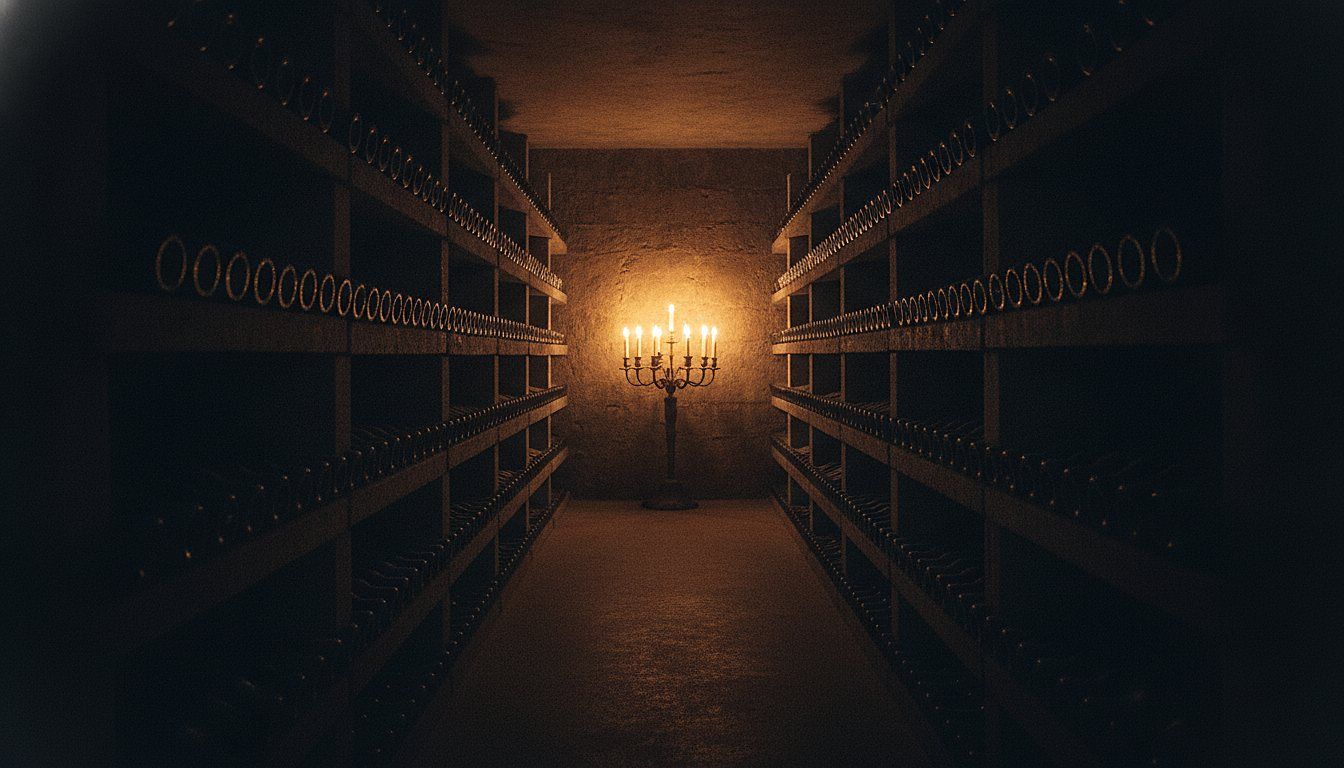
A magnum is a large wine bottle holding 1.5 litres — the equivalent of two standard 750 ml bottles. Beyond the drama, magnums are prized because wine ages more slowly and gracefully in them.
A magnum holds 1.5 litres of wine, exactly double the standard 750 ml bottle, and pours about ten 5-ounce glasses. It is the first step up in a family of oversized formats that runs through Jeroboam, Methuselah, Salmanazar, and beyond — many named after biblical kings.
Magnums are a fixture of celebrations and restaurants precisely because of their generosity and presence on the table. But their appeal to serious collectors goes deeper than spectacle: the format genuinely affects how a wine matures.
The reason is the ratio of wine to air. A magnum has the same size neck and cork as a standard bottle, so it traps a similar small pocket of oxygen — but that oxygen has to work on twice the volume of wine. The result is a slower, gentler oxidation.
- A magnum holds 1.5 litres — two standard bottles, about ten glasses.
- Wine ages more slowly in a magnum because of a lower air-to-wine ratio.
- The format is favoured for long-lived wines like Bordeaux and Champagne.
- Larger formats scale up: Jeroboam 3 L, Methuselah 6 L, Nebuchadnezzar 15 L.
- Trade-off: heavier, harder to store, and best for serving a crowd.
Because wine in a magnum ages more slowly, the format is favoured for wines built for the long haul — fine Bordeaux, Champagne, Barolo, and vintage Port. A wine cellared in magnum will typically develop more gracefully and reach its peak later than the same wine in a standard bottle, and it is often fresher when opened decades on. Many collectors consider the magnum the ideal format for ageing.
The larger volume also buffers against temperature swings and provides more consistency bottle to bottle, which is one reason auction houses and restaurants value them. The trade-off is practical: magnums are heavier, harder to store and pour, and a single bottle commits you to serving a crowd — you cannot open one for a quiet evening without help finishing it.
Sizes continue upward from the magnum: a double-magnum or Jeroboam is 3 litres (four standard bottles), an Imperial or Methuselah is 6 litres, and a Nebuchadnezzar reaches a spectacular 15 litres — twenty bottles in one. These grand formats are mostly ceremonial, but the principle is the same: the more wine per unit of trapped air, the slower and steadier the ageing.
Frequently asked questions
How many bottles are in a magnum?
A magnum equals two standard 750 ml bottles — 1.5 litres in total, or roughly ten 5-ounce glasses of wine.
Why does wine age better in a magnum?
A magnum has the same size cork and neck as a standard bottle, so it traps a similar amount of oxygen against twice the volume of wine. The lower air-to-wine ratio slows oxidation, letting the wine mature more gently and last longer.
What is bigger than a magnum?
Larger formats include the Jeroboam or double-magnum (3 L), Rehoboam (4.5 L), Methuselah or Imperial (6 L), Salmanazar (9 L), Balthazar (12 L), and Nebuchadnezzar (15 L, equal to twenty standard bottles).
Ask your own wine questions — Sommvi's AI sommelier has the answers.
Download on the App Store