What is a wine flight?
A curated set of small pours, tasted side by side
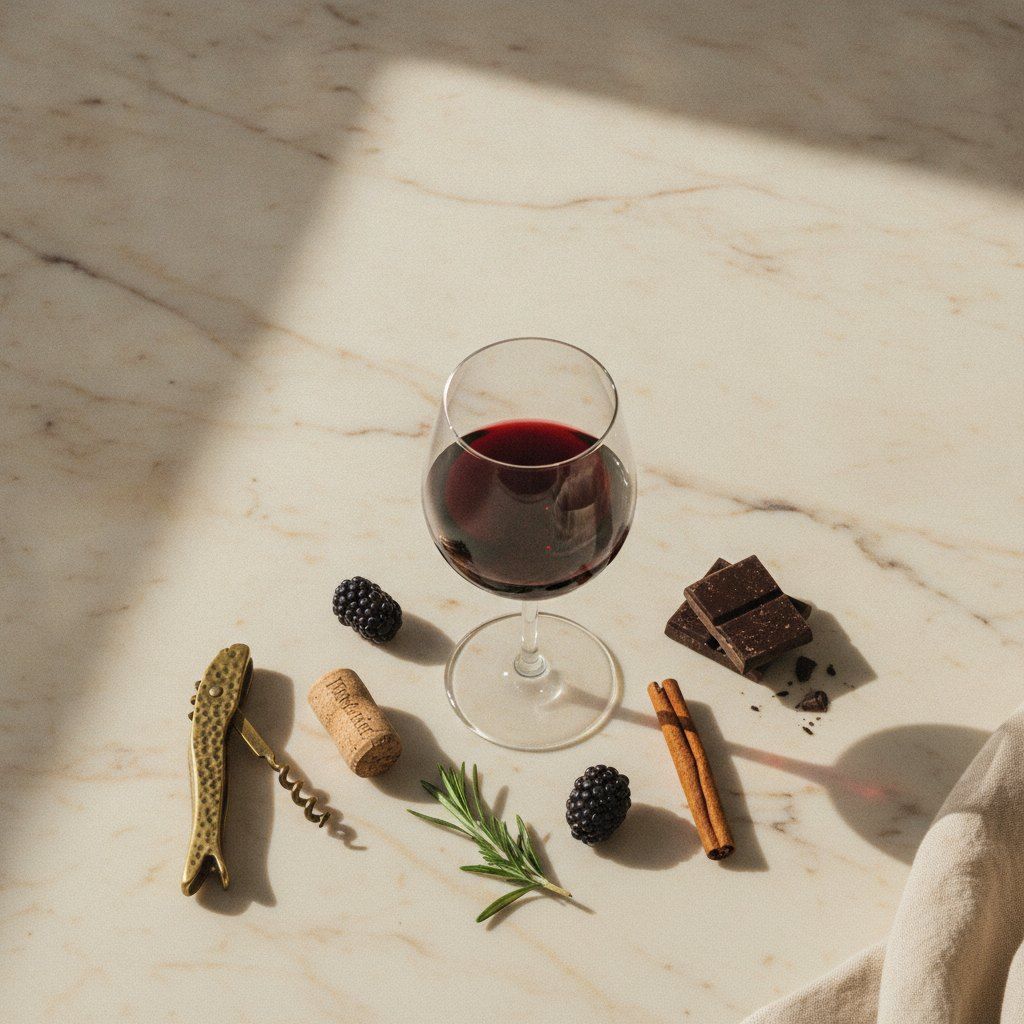
A wine flight is a selection of several wines — usually three to six — served in small pours to be tasted and compared side by side. Flights are grouped around a theme, such as a single grape, a region, or a progression of styles.
A wine flight turns drinking into tasting. Instead of committing to a full glass of one wine, you receive several small pours (typically 2–3 ounces / 60–90 ml each) at the same time, so you can taste them one after another and directly compare. The word "flight" borrows from the idea of a coordinated group moving together.
Flights are built around a theme, and the theme is what makes them educational. Common formats include a vertical flight (the same wine from different vintages), a horizontal flight (the same vintage and style from different producers or regions), a single-grape flight (for example Pinot Noir from Burgundy, Oregon, and New Zealand), or a progression from light to full-bodied.
You will find flights in wine bars, tasting rooms, and restaurants, and they are a favourite tool for learning because comparison sharpens perception — differences that are invisible in isolation jump out when two wines sit side by side.
- A flight is several small pours tasted and compared side by side.
- Flights are built around a theme — a grape, a region, or a range of styles.
- Vertical flights compare vintages; horizontal flights compare producers.
- Taste light to full and dry to sweet, going back and forth to compare.
- Small pours make flights a responsible, low-commitment way to learn.
The reason flights work so well is contrast. It is genuinely hard to describe a single wine in a vacuum, but the moment you taste it next to another, its character becomes obvious: this one is more acidic, that one has more oak, this one is riper. Tasting side by side trains your palate faster than tasting the same number of wines separately over time.
To get the most from a flight, taste in a sensible order — generally lightest to fullest, driest to sweetest, and sparkling before still — so that a bold or sweet wine does not overwhelm your palate for the next one. Go back and forth between the glasses; the point is comparison, not a one-way tasting. Sip water and eat a plain cracker between wines to reset. Because the pours are small, a flight lets you sample a range responsibly, and it is an easy, low-commitment way to discover which styles you prefer.
Building a flight at home is simple and rewarding: pick three or four wines with something in common (all Rieslings, or all wines from Rioja) and one clear variable (different regions, or different sweetness levels), pour small measures, and taste them together. A themed flight is one of the best ways to develop your own tasting vocabulary — closely related to the way a sommelier learns to read a wine.
Frequently asked questions
How many wines are in a flight?
Most flights contain three to six wines, with three or four being the most common. Each is served as a small pour of roughly 2–3 ounces so you can taste several without overdoing it.
What is the difference between a vertical and a horizontal flight?
A vertical flight shows the same wine across different vintages to reveal how it changes with age and growing seasons. A horizontal flight compares the same vintage and style from different producers or regions to reveal the influence of place and winemaker.
In what order should I taste a wine flight?
As a rule, taste from lightest to fullest-bodied, driest to sweetest, and sparkling before still. This keeps a bold or sweet wine from overwhelming your palate before you reach the more delicate ones — though you should still go back and forth to compare.
Ask your own wine questions — Sommvi's AI sommelier has the answers.
Download on the App Store