What is orange wine?
White grapes made like a red — skin contact, amber colour
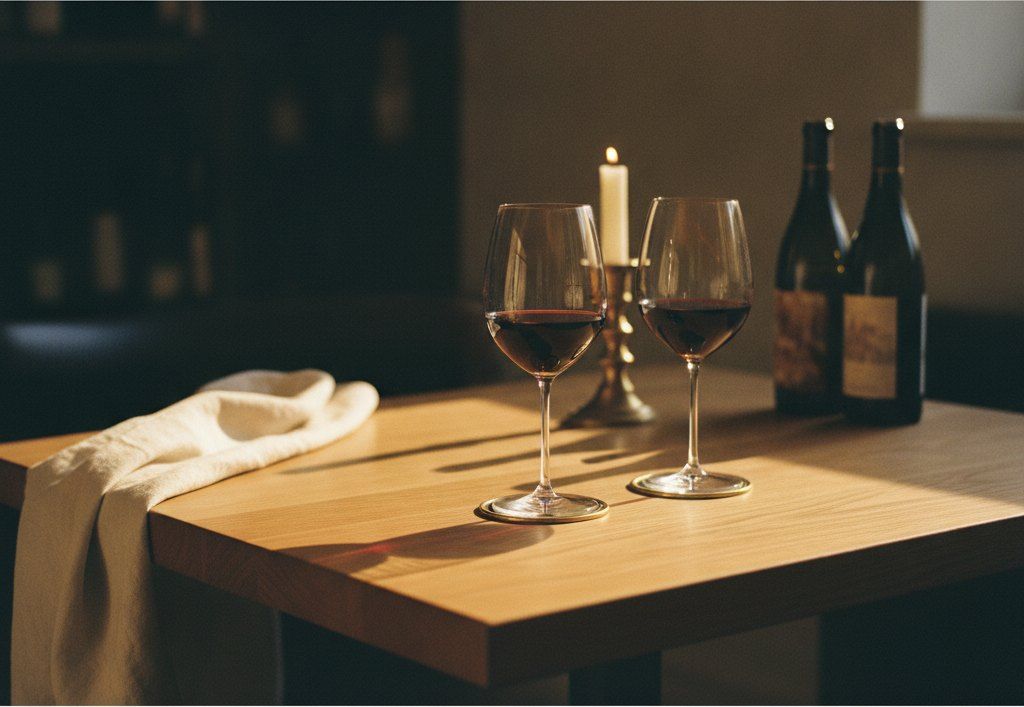
Orange wine is made from white grapes that are fermented in contact with their skins, seeds, and sometimes stems — the same way red wine is made. This extended skin contact gives the wine an amber to deep-orange colour, along with tannin, texture, and savoury, nutty flavours not found in conventional white wine.
Orange wine — also called skin-contact or amber wine — is one of the oldest wine styles in the world, but only became widely known outside its heartland in the last two decades. Despite the name, no oranges are involved. The colour comes entirely from leaving white grape juice in contact with the grape skins during fermentation, exactly as a winemaker would for red wine.
Conventional white wine is pressed off its skins immediately, so it stays pale and fresh. Orange wine flips that: the juice macerates on the skins for anything from a few days to several months. That contact extracts phenolic compounds — colour, tannin, and aromatic complexity — producing a wine that looks like a white, drinks with the grip of a red, and tastes of dried apricot, orange peel, tea, and nuts.
The style is historically associated with Georgia, where grapes are fermented in buried clay vessels called qvevri, and with north-east Italy and Slovenia, where growers like Josko Gravner revived it. It sits at the heart of the natural-wine movement, though orange wine and natural wine are not the same thing.
- Orange wine is white grapes fermented on their skins, like a red.
- The amber colour and tannin come from skin contact, not from oranges.
- Georgia (qvevri), north-east Italy, and Slovenia are the classic regions.
- It is closely linked to natural wine but is not the same thing.
- Serve it cool (12–14°C) and pair it with bold, savoury, spiced food.
Making orange wine is technically simple but demanding. White grapes are crushed and left to ferment with their skins, seeds, and sometimes whole clusters. Winemakers manage the maceration carefully: too little skin contact and the wine is just a slightly textured white; too much and it becomes aggressively tannic and bitter. The best examples balance grip, freshness, and aromatic lift.
Because the skins protect the wine and add tannin — a natural preservative — orange wines are often made with minimal intervention: wild yeasts, little or no added sulphur, and no fining or filtering. This is why the style is so closely tied to natural wine. But a wine can be orange without being natural (it can be made cleanly and conventionally), and a natural wine need not be orange. The overlap is cultural, not definitional.
On the palate, orange wine is unlike anything most drinkers expect. It carries the tannic structure and savoury depth of a red, the acidity of a white, and often a slightly oxidative, kombucha-like tang. That makes it remarkably food-friendly — it stands up to dishes that defeat most whites, including curries, fermented foods, aged cheeses, and rich poultry. Serve it cool but not cold (12–14°C) so the aromatics open up, and treat it more like a light red than a white.
Frequently asked questions
Is orange wine the same as natural wine?
No. Orange refers to the method — white grapes fermented on their skins. Natural refers to a low-intervention philosophy (wild yeast, minimal sulphur, no additives). Many orange wines are also natural, which is why the terms get confused, but each can exist without the other.
Does orange wine have tannin?
Yes. Because the juice ferments in contact with the grape skins and seeds, orange wine extracts tannin the way red wine does. That grip is one of the features that most distinguishes it from a conventional white.
What does orange wine taste like?
Expect dried apricot, orange peel, black tea, hazelnut, and a savoury, sometimes slightly sour note. It is drier and more textured than a typical white, with a tannic grip closer to a light red.
Ask your own wine questions — Sommvi's AI sommelier has the answers.
Download on the App Store