What is sparkling wine?
The bubbles, and where they come from
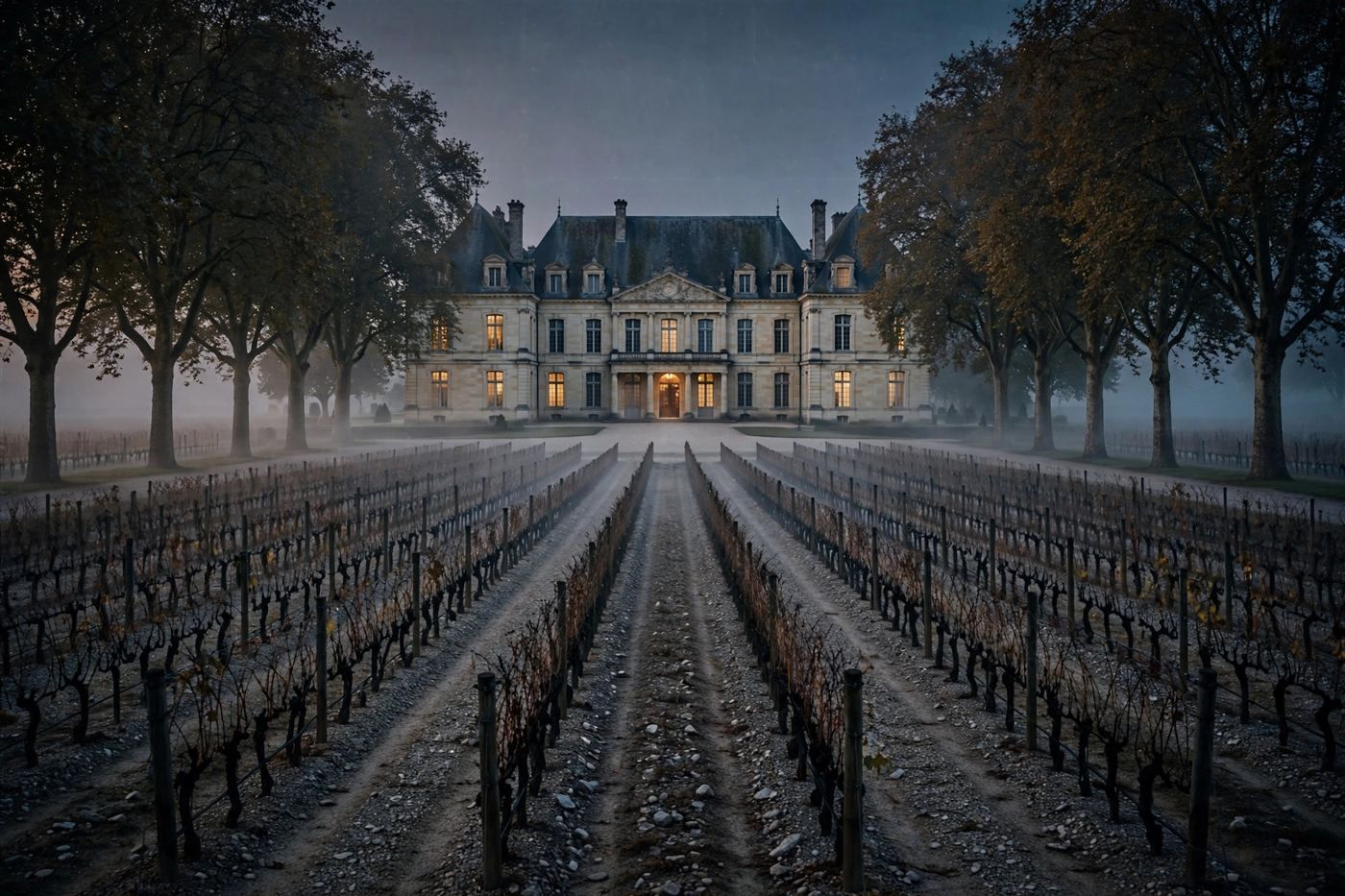
Sparkling wine is any wine with significant dissolved carbon dioxide, which creates its bubbles. The CO₂ comes from a second fermentation — carried out either inside the bottle (traditional method) or in a pressurised tank (tank method) — and the method largely determines the style.
Sparkling wine is simply wine with bubbles: it contains dissolved carbon dioxide under pressure, released as it is poured. That fizz almost always comes from a second fermentation, in which added yeast and sugar are consumed by the wine and the resulting CO₂ is trapped rather than allowed to escape.
The category is broad and global. Champagne, Prosecco, Cava, Crémant, English sparkling, and countless New World "sparkling wines" all belong to it, and they differ mostly in where they are made, which grapes are used, and — crucially — which method produced the bubbles.
Pressure is what separates truly sparkling wines (fully fizzy, around 5–6 atmospheres) from lightly fizzy "frizzante" or "pétillant" styles (2–3 atmospheres). Either way, the bubbles are not a garnish: they carry aroma, lift acidity, and give the wine its refreshing, palate-cleansing character.
- Sparkling wine contains dissolved CO₂ under pressure, released as bubbles.
- The bubbles come from a second fermentation, in-bottle or in a tank.
- Traditional method (Champagne, Cava) gives fine bubbles and toasty complexity.
- Tank method (Prosecco) preserves fresh, fruity aromatics and a softer bubble.
- Sweetness runs from Brut Nature (driest) to Doux (sweetest); Brut is most common.
Two methods dominate. The traditional method (méthode traditionnelle, used for Champagne, Cava, Crémant, Franciacorta, and top English fizz) carries out the second fermentation inside the individual bottle and ages the wine on its spent yeast. This is labour-intensive and yields fine, persistent bubbles and toasty, bready complexity. The tank method (also called Charmat, used for Prosecco and most inexpensive sparkling) runs the second fermentation in a large pressurised tank before bottling. It is faster and cheaper, and it preserves fresh, fruity, floral aromatics with a softer, frothier bubble.
A few other routes exist. The ancestral method (pét-nat) bottles the wine before its first fermentation finishes, so the natural CO₂ is captured without a separate second fermentation — giving cloudy, rustic, often off-dry sparklers. At the industrial bottom end, carbonation simply injects CO₂ into still wine, as with soda; it produces large, short-lived bubbles and is generally reserved for the cheapest products.
Sweetness is labelled on a shared scale, from Brut Nature (bone dry) through Extra Brut, Brut, Extra Dry, Sec, and Demi-Sec to Doux (sweet), with Brut being the most common. Serve sparkling wine well chilled (6–10°C) in a tulip or white-wine glass to preserve the mousse and concentrate the aromas. Its high acidity and cleansing bubbles make it one of the most versatile food wines, at home with everything from fried chicken and sushi to salty snacks and brunch.
Frequently asked questions
What is the difference between the traditional and tank methods?
In the traditional method the second fermentation happens inside each bottle and the wine ages on its yeast, producing fine, long-lasting bubbles and toasty complexity (Champagne, Cava). In the tank method it happens in a large pressurised tank before bottling, giving fresher, fruitier flavours and a softer bubble more cheaply (Prosecco).
What is pét-nat?
Pét-nat, short for pétillant naturel, is sparkling wine made by the ancestral method: it is bottled before the first fermentation finishes, trapping the naturally produced CO₂. The result is typically cloudy, lightly fizzy, and rustic, often with a little residual sweetness.
Why should I use a tulip glass instead of a coupe?
A tall, tulip-shaped glass concentrates the aromas and reduces the surface area, so the bubbles last longer and the wine stays lively. The wide, shallow coupe looks elegant but lets the fizz and aromatics dissipate quickly.
Ask your own wine questions — Sommvi's AI sommelier has the answers.
Download on the App Store