Jurançon
France
Temperate oceanic climate with significant autumn rainfall and warm, dry summers moderated by Pyrenean foothills.
At a glance
Temperate oceanic climate with significant autumn rainfall and warm, dry summers moderated by Pyrenean foothills.
Gros manseng, Petit manseng, Courbu, Camaralet
Aromatic manseng wines: luscious sweet nectars and vibrant dry expressions
2025 · ★★★★★
2020, 2019, 2015, 2011
About Jurançon
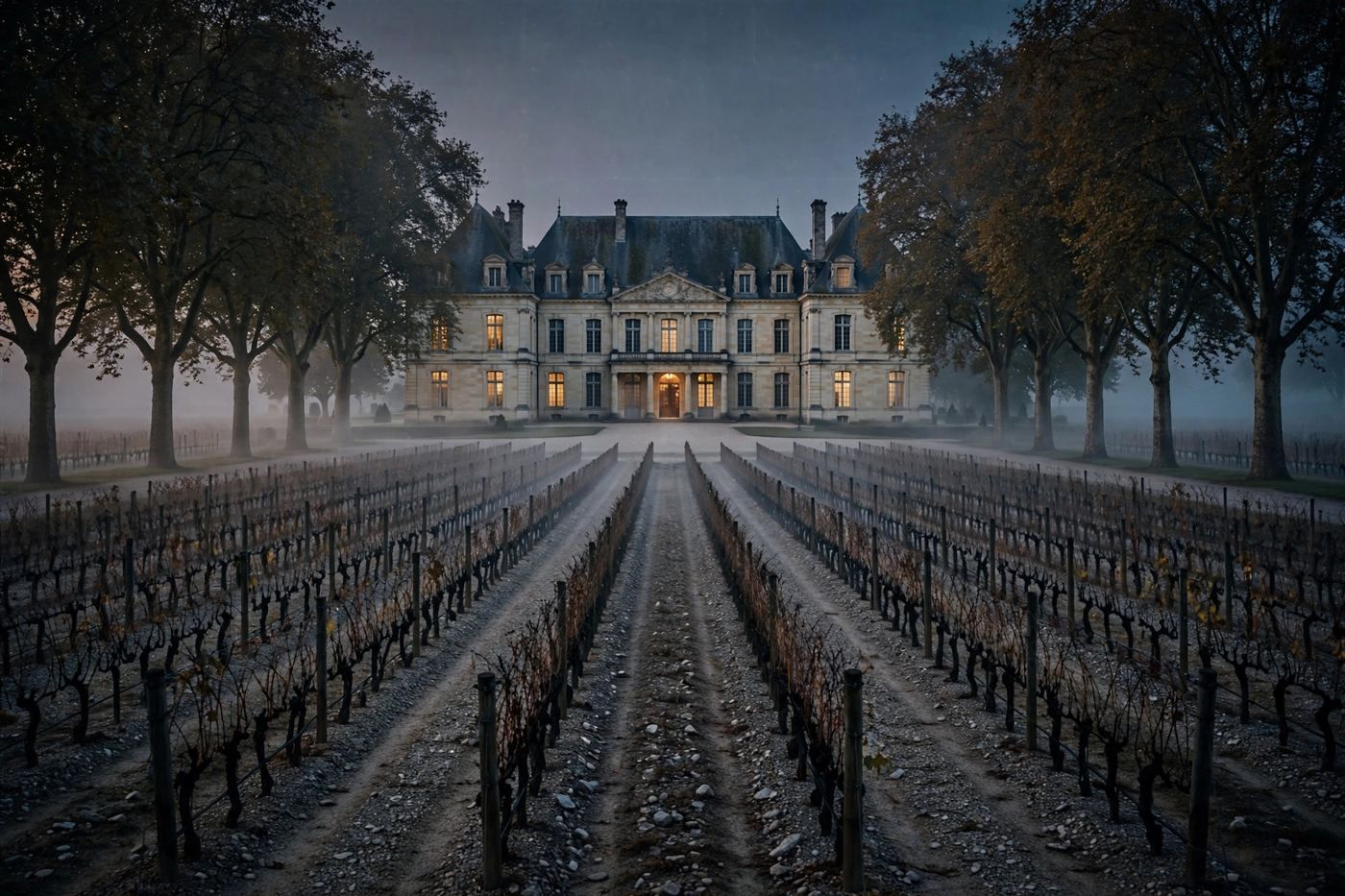
Jurançon is renowned for its distinctive sweet and dry white wines produced in the foothills of the Pyrenees in southwest France. The region's warm autumns allow grapes to achieve high sugar levels, particularly the local manseng varieties, which are the backbone of both the region's celebrated sweet wines and increasingly popular dry expressions. The terroir combines warm days, cool nights, and mineral-rich soils that produce wines with remarkable aromatic complexity and aging potential.
Aromatic manseng wines: luscious sweet nectars and vibrant dry expressions
Notable producers
Domaine Cauhapé · Clos Lapeyre · Domaine Bru-Baché
Vintage Guide
A hot, dry summer and six-week drought, broken by perfectly timed late-August rain, gave the smallest crop since 1991 but wines of classical poise: moderate alcohol, brisk acidity and silky tannins. Tasted en primeur in spring 2026, the best rank among the finest young Bordeaux of recent years; cellar the top wines for 2030 and beyond.
2024 ★★★☆☆The weakest vintage of the decade: a cold, wet year with rampant downy mildew and slashed yields, partly rescued by a sunny summer. The successes are fresh, lithe, lighter clarets for early drinking, made by ruthless sorting; the dry whites are the year's real glory.
2023 ★★★★☆A warm, humid year of mildew pressure and a late heatwave: inconsistent across the region, but meticulous estates made balanced, expressive, elegant wines, with late-picked Cabernet a particular strength. Best drunk from 2028 into the 2040s at the top.
2022 ★★★★★Relentless heat and drought somehow produced wines of concentration with astonishing freshness, thanks to old vines, water-holding soils and June and August rain. A new benchmark vintage; the top wines are profound but demand patience until the 2030s.
2021 ★★★☆☆April frost and a cool, mildew-prone summer cut yields and produced fresh, lower-alcohol wines in a classical mould, with Cabernet Franc and the dry whites particular successes. A charming, earlier-drinking vintage to enjoy over the next decade.
2020 ★★★★★The finest of the 2018-2020 trilogy: warmth and drought tempered by August storms, with Merlot the star and the Right Bank producing the vintage's most thrilling wines. Elegant, energetic and long-lived; give the top wines a decade.
2019 ★★★★★A hot, dry summer rescued by September rain gave wines of freshness, purity and fine structure, the Left Bank especially profound. More classical than 2018 and deliciously approachable, yet the top wines are built to reach 2045.
2018 ★★★★★Mildew ravaged the spring, then one of the hottest, driest summers in fifty years produced opulent, concentrated, sometimes dramatic wines at the top estates. Powerful and long-lived at the summit; choose carefully lower down, and cellar the best to the 2040s.
2017 ★★★★☆April frost devastated the vintage, above all on the Right Bank and in Pessac, but a dry summer made genuinely fine wine from the spared vineyards, especially in the northern Medoc and Pomerol. Fresh, mid-weight wines for the next decade.
2016 ★★★★★An exceptional year: a wet winter and spring gave way to a long, dry summer with cool nights, and small, concentrated berries made wines of balance, fragrance and huge ageing potential on both banks. Keep the great estates for 2030 and beyond.
2015 ★★★★★A hot, dry summer with timely August rain produced ripe, plush wines; the Right Bank and Margaux were sublime, while late rain slightly diluted the northern Medoc. Generous and seductive now, the top wines will age gracefully to the 2040s.
2014 ★★★★☆A mediocre summer redeemed by a glorious Indian summer from September: Cabernet Sauvignon ripened late and well, making this a Left Bank year of pure, terroir-transparent wines. Drinking well already, with the best set for two decades.
2013 ★★☆☆☆The hardest year of the decade: wet spring, coulure, hail and September rot slashed yields and produced light, fragile wines. Almost everything should be drunk now; only the most rigorously sorted top estates made wines of real interest.
2012 ★★★☆☆A late, difficult season in which Merlot ripened fully while Cabernet often struggled, so the Right Bank clearly beat the Left. The best Pomerols and Saint-Emilions are plump and charming now; drink most by the early 2030s.
2011 ★★★☆☆An early, uneven year: hot spring, cool grey summer and a hurried harvest produced heterogeneous wines, the best supple and scented, the worst lean. A vintage for careful estate selection, to drink over the next few years.
2010 ★★★★★The benchmark modern vintage: a dry, sunny season with cool nights gave wines of massive tannin, high acidity and classical restraint, built for the long haul. Top estates are still tightly wound; give them until 2030 and beyond, and expect decades of life.
2009 ★★★★★A flamboyant, sun-drenched vintage across France: opulent Bordeaux on both banks, monumental northern Rhône Syrah, ripe generous Burgundy and a great Loire year end to end. Alcohol ran high but the best wines balance their power. One of the decade's defining vintages; top wines will hold for years yet.
2008 ★★★☆☆A cool, late season saved by a long Indian summer produced one of Champagne's legendary vintages and classic, high-acid Burgundy built to age. Bordeaux is fresh and underrated; the Rhône ran light and dilute. A connoisseur's year in the north. The best wines are in a fine window now.
2007 ★★★☆☆A damp, difficult summer rescued by an Indian summer: light, supple, early-maturing wines in Bordeaux and Burgundy, but the southern Rhône produced a legendary, hedonistic vintage against the run of play. The Loire and the north struggled with rot. Drink up — most are at or past their best.
2006 ★★★★☆A year of contrasts — hot July, cool wet August, fine September: Bordeaux's late-picked Cabernets fared best, the northern Rhône made fresh, structured wines, and Burgundy was uneven but charming at its best. Solid rather than thrilling in most regions. Drink now; few wines need more time.
Get personalised recommendations from Jurançon and beyond.
Download on the App Store