Goriska Brda
Slovenia
Mediterranean climate with Alpine influences, characterized by warm, dry summers and mild winters with significant diurnal temperature variations.
At a glance
Mediterranean climate with Alpine influences, characterized by warm, dry summers and mild winters with significant diurnal temperature variations.
Rebula, Vitovska, Malvasia, Merlot, Cabernet sauvignon
Mineral-driven whites with marked acidity and impressive aging potential
2019 · ★★★★☆
2021, 2019, 2018, 2016
About Goriska Brda
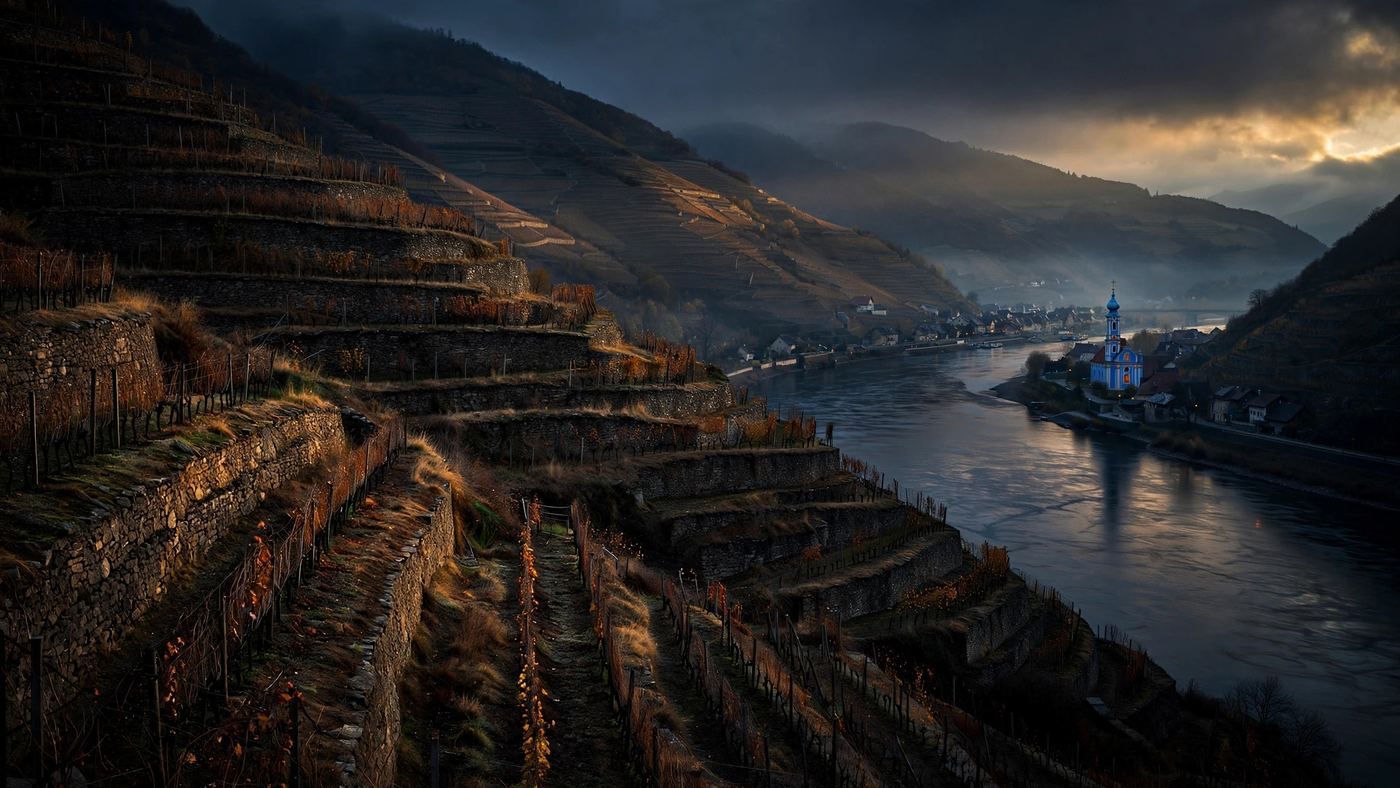
Goriska Brda, located in northwestern Slovenia near the Italian border, is one of Slovenia's premier wine regions known for distinctive white wines. The region's terraced hillsides and red-soil vineyards produce characterful wines that reflect both Italian and Slovenian winemaking traditions. Rebula, a local white variety, is the flagship grape and produces mineral, age-worthy wines with notable acidity.
Mineral-driven whites with marked acidity and impressive aging potential
Notable producers
Edi Simčič · Movia · Marjan Simčič
Vintage Guide
A warm, drier season produced ripe, healthy fruit and promising wines. The hill-grown Rebula and Bordeaux blends show very good fruit quality, balance and typicity. Whites drink now; reds hold 3-8 years.
2024 ★★★☆☆April frost and a hot summer with September rain made a mixed, early harvest. The hill-grown Rebula and Bordeaux blends show sound, well-made wines with good varietal character. Whites drink now; reds hold 3-8 years.
2023 ★★☆☆☆A season of extremes — August floods in Slovenia, harvest rain elsewhere; quality is uneven. The hill-grown Rebula and Bordeaux blends show lighter, earlier-maturing wines of modest concentration. Most wines are for early drinking.
2022 ★★★☆☆Heat and drought shrank the crop; wines are ripe and concentrated but variable. The hill-grown Rebula and Bordeaux blends show very good fruit quality, balance and typicity. Whites drink now; reds hold 3-8 years.
2021 ★★★☆☆Spring frost and a cooler season made fresher, lighter wines; selection mattered. The hill-grown Rebula and Bordeaux blends show sound, well-made wines with good varietal character. Whites drink now; reds hold 3-8 years.
2020 ★★★☆☆A warm, sound season produced ripe, well-balanced wines. The hill-grown Rebula and Bordeaux blends show very good fruit quality, balance and typicity. Whites drink now; reds hold 3-8 years.
2019 ★★★★☆An excellent, balanced season of healthy fruit and good acidity. The hill-grown Rebula and Bordeaux blends show excellent ripeness, structure and varietal definition. Whites drink now; reds hold 3-8 years.
2018 ★★★★☆A hot, early season made ripe, generous wines in good volumes. The hill-grown Rebula and Bordeaux blends show excellent ripeness, structure and varietal definition. Whites drink now; reds hold 3-8 years.
2017 ★★★☆☆Spring frost again trimmed yields; the surviving crop ripened well in a warm season. The hill-grown Rebula and Bordeaux blends show very good fruit quality, balance and typicity. Whites drink now; reds hold 3-8 years.
2016 ★★★☆☆Spring frost cut crops in the west of the region, but summer quality was good. The hill-grown Rebula and Bordeaux blends show sound, well-made wines with good varietal character. Whites drink now; reds hold 3-8 years.
2015 ★★★★☆A warm, dry season produced ripe, concentrated wines — an excellent year. The hill-grown Rebula and Bordeaux blends show outstanding concentration, definition and balance. Whites are vibrant now; the best reds cellar a decade or more.
2014 ★★☆☆☆A wet, difficult season brought floods and rot pressure; quality is light and variable. The hill-grown Rebula and Bordeaux blends show difficult conditions show in lean, uneven wines. Most wines are for early drinking.
2013 ★★★☆☆A balanced, favourable season gave wines of good ripeness and freshness. The hill-grown Rebula and Bordeaux blends show very good fruit quality, balance and typicity. Whites drink now; reds hold 3-8 years.
2012 ★★★☆☆A hot season, drought-stressed in the south-east, produced ripe, full wines. The hill-grown Rebula and Bordeaux blends show very good fruit quality, balance and typicity. Whites drink now; reds hold 3-8 years.
2011 ★★★★☆A hot, dry season made rich, ripe wines — a strong year across the region. The hill-grown Rebula and Bordeaux blends show excellent ripeness, structure and varietal definition. Whites drink now; reds hold 3-8 years.
2010 ★★☆☆☆A wet, cold year across central Europe produced a small, difficult harvest of light wines. The hill-grown Rebula and Bordeaux blends show lighter, earlier-maturing wines of modest concentration. Most wines are for early drinking.
2009 ★★★★☆A warm season produced excellent wines — one of the decade's best on the coast. The hill-grown Rebula and Bordeaux blends show excellent ripeness, structure and varietal definition. Most wines are for early drinking.
2008 ★★★☆☆A good season of balanced, well-made wines. The hill-grown Rebula and Bordeaux blends show very good fruit quality, balance and typicity. Most wines are for early drinking.
2007 ★★★★☆A hot, dry season produced rich wines of real concentration. The hill-grown Rebula and Bordeaux blends show excellent ripeness, structure and varietal definition. Most wines are for early drinking.
2006 ★★★★☆A warm season produced generous wines along the coast. The hill-grown Rebula and Bordeaux blends show excellent ripeness, structure and varietal definition. Most wines are for early drinking.
Get personalised recommendations from Goriska Brda and beyond.
Download on the App Store