What is minerality in wine?
The elusive, much-debated tasting term
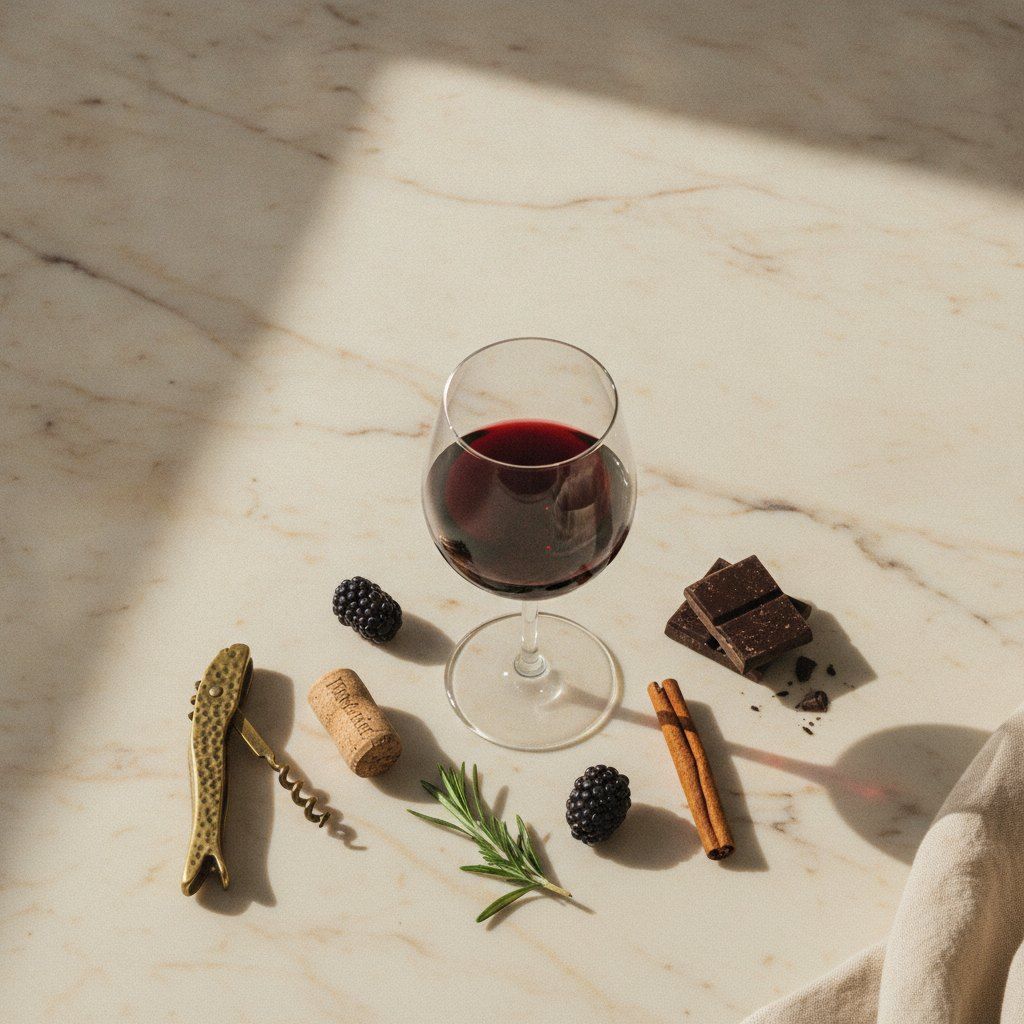
Minerality is a tasting term for wines that suggest wet stone, chalk, flint, or saline notes. It is a sensory impression rather than a measurable substance — wine does not literally taste of the minerals in the soil.
Minerality is one of wine's most used and least agreed-upon descriptors. Tasters reach for it to describe wines that evoke wet stone, crushed rock, chalk, flint, oyster shell, or a saline, sea-spray quality — impressions of freshness and cool restraint rather than of fruit.
It is most associated with high-acid white wines from cool climates: Chablis, Sancerre, Riesling from the Mosel, Muscadet, Assyrtiko from Santorini, and steely Champagnes. The term is sometimes applied to reds too, but it lives most comfortably in crisp, unoaked whites.
Crucially, minerality is a perception, not a measured component. Despite the romantic idea that vines transmit the flavour of their soil, science has not found that minerals in the ground pass into the grape in tastable amounts. What we call minerality is a bundle of sensory cues our brains group under one label.
- Minerality describes wet-stone, chalk, flint, or saline impressions in wine.
- It is a sensory perception, not a measurable transfer of soil minerals.
- Most associated with high-acid, cool-climate whites like Chablis and Riesling.
- Acidity, sulphur compounds, and reductive winemaking drive the sensation.
- The term is debated — tasters often disagree on which wines are "mineral."
Researchers have linked the sensation to several concrete factors. High acidity and low pH create a taut, refreshing character often read as "mineral." Sulphur-derived compounds can produce flinty, struck-match, or gunpowder aromas — a note winemakers sometimes cultivate deliberately. Low ripeness, restrained fruit, and reductive winemaking (limiting oxygen) all push a wine toward that lean, stony profile.
Because the term is subjective, wine professionals disagree about whether it should be used at all. Some prize it as shorthand for a real and recognisable style; others consider it too vague to be meaningful and prefer to describe the specific aromas and textures instead. Blind studies have shown tasters rarely agree on which wines are "mineral," which fuels the scepticism.
For a drinker, the practical value is directional. If a wine is described as mineral, expect something dry, high in acid, low in obvious fruit, and often unoaked — a style that pairs beautifully with shellfish, goat cheese, and simple seafood. Whether the sensation comes from the soil or the cellar, the flavour experience it points to is real and consistent enough to be useful.
Frequently asked questions
Can you actually taste minerals from the soil in wine?
Not directly. Science has not shown that soil minerals pass into grapes in amounts we can taste. Minerality is a sensory impression created by acidity, ripeness, sulphur compounds, and winemaking style rather than a literal transfer of rock or chalk.
Which wines are described as mineral?
Cool-climate, high-acid, usually unoaked whites: Chablis, Sancerre, Muscadet, Mosel Riesling, Santorini Assyrtiko, and lean Champagnes. The style is dry, fresh, and restrained rather than fruity.
What does mineral wine pair with?
Its high acidity and saline character make it excellent with shellfish, oysters, sushi, goat cheese, and simply prepared seafood — dishes where a bright, cutting wine lifts delicate flavours.
Ask your own wine questions — Sommvi's AI sommelier has the answers.
Download on the App Store