Wine for a Book Club
Enough to loosen the conversation, not so much that nobody remembers the plot.
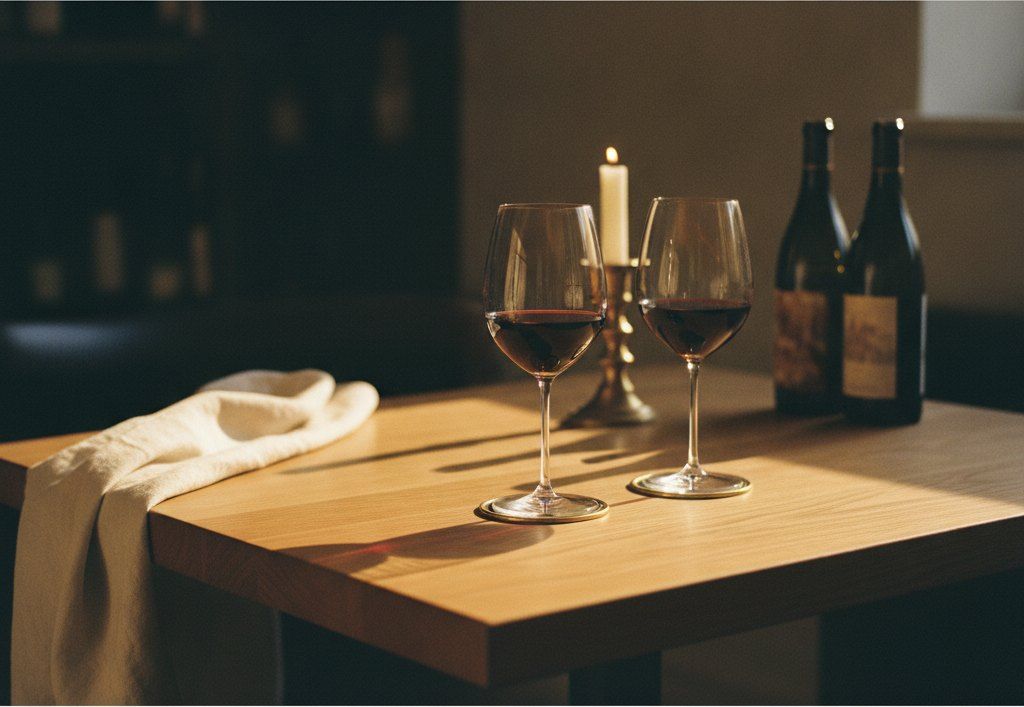
Book club wine has a specific brief: it should be interesting enough to give the group something to talk about beyond the reading, easy enough to drink through a long evening of discussion, and gentle enough that everyone can still argue coherently about the ending. This is not a tasting event — the book is the point — but the wine sets the tone. The best book club bottles are conversational: approachable, food-friendly, and ideally with a story of their own, whether that is an unusual grape, a striking region, or a link to the book itself. A little theme never hurts.
Top Wine Picks
Beaujolais (Gamay)
Juicy, low-tannin, and easy to drink through a long discussion — a book club staple.
Fleurie · Morgon · Beaujolais-Villages
Chianti Classico
Savoury, food-friendly Sangiovese with character — conversational and crowd-pleasing.
Chianti Classico · Tuscany
Grüner Veltliner
Fresh, peppery, and endlessly drinkable — keeps the white drinkers happy all evening.
Wachau · Kamptal · Weinviertel
Assyrtiko
Bright, mineral, and full of talking points — a perfect themed pour for a book set abroad.
Santorini · Greece
The most reliable book club wines are medium-bodied and low-drama — bottles you can pour for a mixed group without anyone feeling out of their depth. A Côtes du Rhône, a Chianti Classico, or a Beaujolais cru (Fleurie, Morgon) all deliver character and food-friendliness at a friendly price, and none demand decanting or fuss. On the white side, a Grüner Veltliner, an unoaked Chardonnay from the Mâconnais, or a dry Riesling keeps things fresh through hours of talking. The aim is a wine that supports the evening rather than upstaging it.
Because the discussion is the main event, moderation matters. Book club runs long, and the wine needs to last without anyone losing the thread. Lean toward lower-alcohol styles — a Beaujolais at 12.5%, a German Riesling at 11%, a Vinho Verde at 10% — and put out plenty of snacks: cheese, olives, nuts, and something more substantial if the meeting runs through dinner. Food slows the drinking and keeps the conversation sharp. A jug of water on the table is not an afterthought; it is the difference between a lively discussion and a hazy one.
A theme is where book club wine gets fun. Match the bottle to the book: a Greek Assyrtiko for a novel set in the Aegean, a robust Argentine Malbec for a South American saga, a crisp Sancerre for something set in France, a Port for a Victorian classic. If the book has a memorable meal or a signature drink, recreating it turns the wine into part of the evening's conversation. Even a loose connection — a wine from the author's home country, or a grape mentioned in passing in the text — gives the group an easy talking point before the real debate begins.
Practically, host and guests both benefit from simplicity. One red, one white, and a non-alcoholic option covers every preference; ask guests to bring a bottle and you spread both the cost and the discovery. Screwcaps save the corkscrew hunt mid-conversation. And keep the pours modest — book club is a marathon, not a sprint, and the best evenings end with the plot dissected and everyone still able to find their way home.
High-alcohol blockbusters (15% Zinfandel, big Amarone) that end the discussion early. Very tannic or challenging wines that need decanting and full attention — the book deserves that, not the bottle. Anything so expensive that guests feel they cannot pour freely. Sweet wines as the main pour; save a small dessert wine for the end if at all.
Keep alcohol low — this is a marathon evening, not a tasting. Put out real food (cheese, olives, something substantial) to slow the pace and sharpen the conversation. Ask everyone to bring a bottle to spread cost and discovery. And theme the wine to the book when you can: a matching grape, region, or drink from the story gives the group an easy way in before the debate starts.
Common Questions
What wine is best for a book club?
Beaujolais (Gamay) is the classic choice. Juicy, low-tannin, and easy to drink through a long discussion — a book club staple. Chianti Classico is an excellent alternative.
Which wines don't work for a book club?
High-alcohol blockbusters (15% Zinfandel, big Amarone) that end the discussion early. Very tannic or challenging wines that need decanting and full attention — the book deserves that, not the bottle. Anything so expensive that guests feel they cannot pour freely. Sweet wines as the main pour; save a small dessert wine for the end if at all.
Any tips for choosing wine for a book club?
Keep alcohol low — this is a marathon evening, not a tasting. Put out real food (cheese, olives, something substantial) to slow the pace and sharpen the conversation. Ask everyone to bring a bottle to spread cost and discovery. And theme the wine to the book when you can: a matching grape, region, or drink from the story gives the group an easy way in before the debate starts.
More Occasions
- Wine for Brunch — Late mornings, eggs, and a glass that stays fresh from mimosa hour onward.
- Wine for a Game Night — One hand for the cards, one for the glass — wine that survives a competitive evening.
- Wine for Super Bowl Party — Crowd-pleasing bottles that stand up to wings, chilli, and a full room.
- Wine for Girls' Night — Fun, sharable bottles that keep the night going and the mood high.
- Wine for Camping Trip — Rugged, packable wines that taste great around a fire and survive the journey.
- Wine for Summer BBQ — Smoky, charred, and outdoors — the grill demands bold, chillable wines.
- Browse wine for every occasion
Get personalised wine recommendations from your AI sommelier.
Download on the App Store