Wine for Brunch
Late mornings, eggs, and a glass that stays fresh from mimosa hour onward.
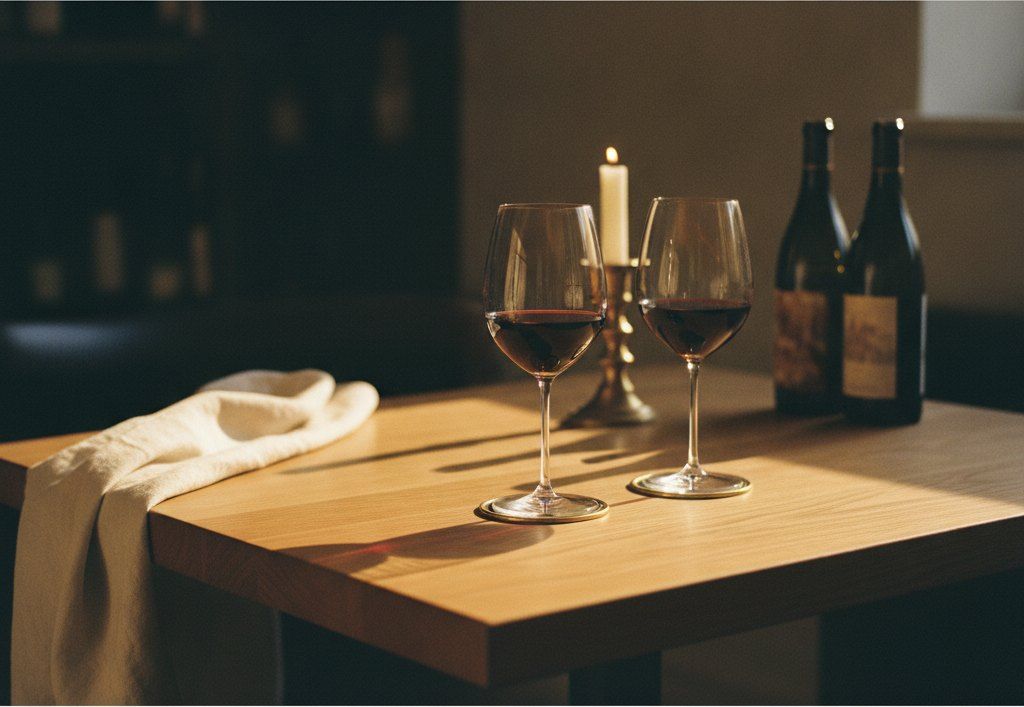
Brunch wine has a delicate job: it has to feel celebratory without being heavy, work across a table that swings from sweet to savoury, and stay drinkable at an hour when a big red would feel wrong. The ideal brunch wine is bright, low in alcohol, and food-flexible enough to handle eggs, smoked salmon, pastries, and fruit in a single sitting. Bubbles are the natural centre of gravity — nothing says late-morning indulgence like a glass of something fizzy — but the best brunch tables offer a crisp still white or a pale rosé alongside, so the drinking can carry on past the first pour without fatigue.
Top Wine Picks
Prosecco Superiore
Fresh, floral, and the classic mimosa base — the natural centre of any brunch table.
Valdobbiadene · Conegliano
Dry Riesling
Zippy acidity and aromatic lift — the answer to eggs, hollandaise, and smoked salmon.
Mosel · Alsace · Clare Valley
Grüner Veltliner
Peppery and green — a brunch secret weapon from avocado toast to a bacon roll.
Wachau · Kamptal · Kremstal
Moscato d'Asti
Gently sparkling and low in alcohol — a joyful match for pancakes, pastries, and fruit.
Asti · Piedmont
Sparkling wine is the heart of brunch, and the good news is that you do not need Champagne. A dry Prosecco Superiore from Valdobbiadene is fresh, floral, and famously the base of the mimosa and Bellini; a Cava, Crémant, or Franciacorta brings more toasty depth if you want to drink the fizz on its own rather than mix it. If you are making mimosas, use a Brut rather than an Extra Dry so the added orange juice does not tip the glass into cloying sweetness — and use freshly squeezed juice, which transforms the drink. For a table that appreciates the wine itself, pour the sparkling straight and keep the juice as an optional side.
Eggs are the defining brunch ingredient and a notoriously tricky wine partner — their richness and sulphur can flatten a wine that is too soft. The answer is acidity and a touch of texture. A dry Riesling (Kabinett trocken from the Mosel, or an Alsace Riesling) has the zip to cut through hollandaise and the aromatic lift to match a herby omelette. A Chenin Blanc from Vouvray or South Africa does the same with a rounder, orchard-fruit character. For eggs Benedict and anything with smoked salmon, a Chablis or a bone-dry Sancerre is close to perfect: mineral, citric, and clean.
The savoury-to-sweet range of a brunch spread rewards a versatile, aromatic white. A Grüner Veltliner is a brunch secret weapon — peppery, green, and brilliant with everything from avocado toast to a bacon roll. A dry rosé, pale and Provençal, bridges the whole table and looks the part in the morning light; it handles charcuterie, quiche, and a fruit plate with equal ease. If the brunch leans sweet — pancakes, French toast, pastries — a lightly sparkling, low-alcohol Moscato d'Asti (around 5.5% ABV) is a joyful, guilt-light match that will not derail the rest of the day.
The golden rule of brunch wine is restraint in alcohol. This is daytime drinking, often the prelude to an afternoon that still has to happen, so lean toward wines in the 9–12% range: Vinho Verde with its gentle spritz, a light German Riesling, a low-alcohol sparkling. Serve everything properly cold, keep a jug of water and one non-alcoholic option (a good sparkling grape juice or an alcohol-free fizz) on the table, and treat the wine as part of the leisurely mood rather than the main event.
Full-bodied, high-alcohol reds that feel leaden before noon and derail the afternoon. Heavily oaked, buttery Chardonnay that fatigues the palate over a long, grazing meal. Very sweet sparkling used for mimosas — it turns cloying once you add juice. Anything that needs decanting or careful serving; brunch is meant to be easy.
Choose a Brut, not an Extra Dry, for mimosas so the drink stays balanced — and squeeze the orange juice fresh. Keep alcohol low (9–12%) since this is daytime drinking. Serve everything genuinely cold, straight from the fridge or an ice bucket. Always put a non-alcoholic option on the table — a good sparkling grape juice or alcohol-free fizz — so nobody feels left out of the toast.
Common Questions
What wine is best for brunch?
Prosecco Superiore is the classic choice. Fresh, floral, and the classic mimosa base — the natural centre of any brunch table. Dry Riesling is an excellent alternative.
Which wines don't work for brunch?
Full-bodied, high-alcohol reds that feel leaden before noon and derail the afternoon. Heavily oaked, buttery Chardonnay that fatigues the palate over a long, grazing meal. Very sweet sparkling used for mimosas — it turns cloying once you add juice. Anything that needs decanting or careful serving; brunch is meant to be easy.
Any tips for choosing wine for brunch?
Choose a Brut, not an Extra Dry, for mimosas so the drink stays balanced — and squeeze the orange juice fresh. Keep alcohol low (9–12%) since this is daytime drinking. Serve everything genuinely cold, straight from the fridge or an ice bucket. Always put a non-alcoholic option on the table — a good sparkling grape juice or alcohol-free fizz — so nobody feels left out of the toast.
More Occasions
- Wine for a Book Club — Enough to loosen the conversation, not so much that nobody remembers the plot.
- Wine for a Game Night — One hand for the cards, one for the glass — wine that survives a competitive evening.
- Wine for Super Bowl Party — Crowd-pleasing bottles that stand up to wings, chilli, and a full room.
- Wine for Girls' Night — Fun, sharable bottles that keep the night going and the mood high.
- Wine for Camping Trip — Rugged, packable wines that taste great around a fire and survive the journey.
- Wine for Summer BBQ — Smoky, charred, and outdoors — the grill demands bold, chillable wines.
- Browse wine for every occasion
Get personalised wine recommendations from your AI sommelier.
Download on the App Store