Wine for Dinner Party
A few well-chosen bottles that carry a table from first pour to last course.
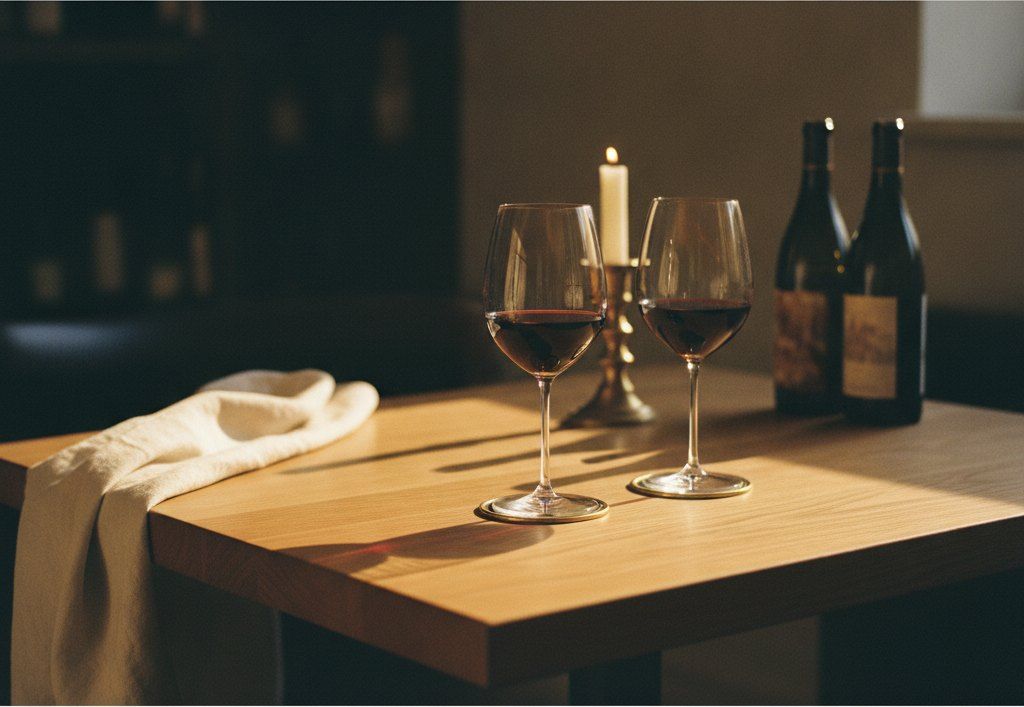
Hosting a dinner party is the moment wine stops being a drink and becomes part of the evening's architecture. The right bottles set the pace, flatter the food, and keep the conversation flowing without ever calling attention to themselves. You are not trying to impress anyone with rarity or price — you are trying to build a sequence that feels effortless: something to greet people with, something that suits the meal, and something to linger over once the plates are cleared. The trick is to choose wines that are generous and adaptable rather than demanding, because a dinner party menu is rarely a single dish and your guests' tastes are rarely uniform.
Top Wine Picks
Grower Champagne or Crémant
The welcome pour — resets palates and puts guests at ease before the food arrives.
Champagne · Alsace · Loire
Village Pinot Noir
Silky and low-tannin — the classic dinner-party red that flatters almost any main.
Burgundy · Willamette Valley · Central Otago
Unoaked Chardonnay
Bridges fish, poultry, and creamy sauces — the versatile white every table needs.
Chablis · Mâconnais
Tawny Port
A small closing pour with cheese or dessert — turns the last course into an event.
Douro
Start with a welcome pour that does the social work before the food arrives. A dry sparkling — Crémant, Cava, or a grower Champagne if the occasion warrants — puts everyone at ease and needs no explanation. It resets palates, pairs with almost any canapé, and signals that the evening is meant to be enjoyed. If sparkling feels too formal, a crisp, aromatic white like a Grüner Veltliner or a dry Riesling does the same job with more versatility, carrying happily from the doorway to the starter.
For the main event, choose a food-friendly middleweight that flatters a range of dishes rather than a single one. Red Burgundy or a village-level Pinot Noir is the classic dinner-party red: silky, savoury, and low enough in tannin to work with everything from roast chicken to a mushroom risotto. On the fuller side, a Chianti Classico or a Côtes du Rhône brings brightness and structure without overwhelming the table. For whites, a white Burgundy or an unoaked Chardonnay bridges fish, poultry, and creamy sauces with ease. The goal is a wine that meets the food halfway, not one that competes with it.
Buy in pairs and pour generously. A dinner party for six will comfortably move through three to four bottles across the evening, so it pays to have a second bottle of your main wine open and breathing rather than scrambling mid-course. Decanting a younger red an hour ahead softens it and buys you calm during service. If you are serving several courses, a single well-chosen red and white that both flex across dishes will always feel more considered than a jarring parade of one-glass wines.
End on a grace note. A small pour of something sweet or fortified — a Sauternes with a fruit tart, a Tawny Port with cheese, or a Moscato d'Asti with anything at all — turns the last stretch of the evening into its own small event. It need not be expensive or elaborate; the gesture of offering a closing wine is what makes a dinner party feel complete rather than merely finished.
Big, tannic, high-alcohol reds that flatten a varied menu and tire the palate by the second course. Anything so rare or expensive that guests feel obliged to comment on it — a dinner party is not a tasting. Serving a single wine straight through a multi-course meal, or opening too few bottles and rationing pours. Over-chilled reds and warm whites: get your serving temperatures right and everything else follows.
Open your main red an hour ahead and decant if it is young — calm service beats a last-minute scramble. Plan on roughly half a bottle per guest across the evening and always have a backup of your main wine ready. Keep whites and sparkling in an ice bucket, and pull reds off any warm surface. Choose wines that flex across dishes rather than one-glass showpieces, and finish with a small sweet or fortified pour to round off the night.
Common Questions
What wine is best for dinner party?
Grower Champagne or Crémant is the classic choice. The welcome pour — resets palates and puts guests at ease before the food arrives. Village Pinot Noir is an excellent alternative.
Which wines don't work for dinner party?
Big, tannic, high-alcohol reds that flatten a varied menu and tire the palate by the second course. Anything so rare or expensive that guests feel obliged to comment on it — a dinner party is not a tasting. Serving a single wine straight through a multi-course meal, or opening too few bottles and rationing pours. Over-chilled reds and warm whites: get your serving temperatures right and everything else follows.
Any tips for choosing wine for dinner party?
Open your main red an hour ahead and decant if it is young — calm service beats a last-minute scramble. Plan on roughly half a bottle per guest across the evening and always have a backup of your main wine ready. Keep whites and sparkling in an ice bucket, and pull reds off any warm surface. Choose wines that flex across dishes rather than one-glass showpieces, and finish with a small sweet or fortified pour to round off the night.
More Occasions
- Wine for New Year's Eve — Midnight deserves something worth raising a glass to — not just any bottle with bubbles.
- Wine for a Wedding — The toast matters, the table wine matters more — getting wedding wine right for every course and every guest.
- Wine for a Graduation — A milestone deserves a proper glass — celebratory wine that marks the moment without breaking the bank.
- Wine for a Retirement Party — A career's worth of work deserves a proper bottle — celebratory, considered, and generous.
- Wine for a Baby Shower — Celebratory and inclusive — a drinks table that toasts the moment without leaving anyone out.
- Wine for Bridal Shower — Elegant, daytime-friendly bottles for a celebration that stays light and pretty.
- Browse wine for every occasion
Get personalised wine recommendations from your AI sommelier.
Download on the App Store