Wine for a Wedding
The toast matters, the table wine matters more — getting wedding wine right for every course and every guest.
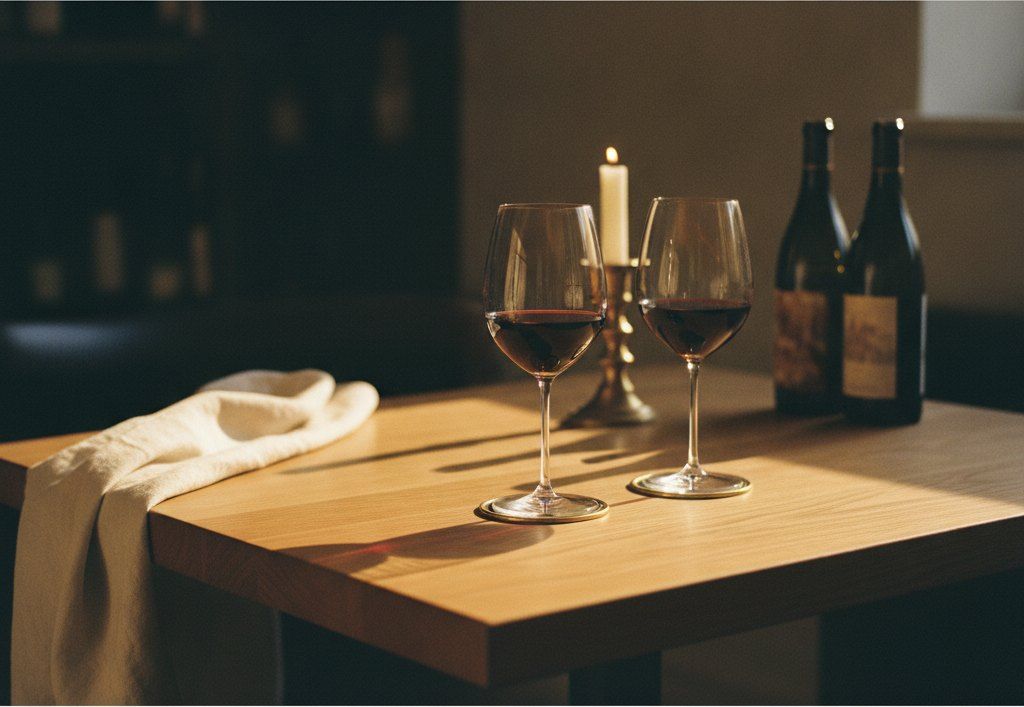
Wedding wine is one of the most consequential wine decisions most people ever make — and one of the most stressful. You are choosing for dozens or hundreds of guests with wildly different tastes, across multiple courses, within a budget that is already under pressure from every other wedding expense. The temptation is to play it safe with a generic house white and red, but that is a missed opportunity. Well-chosen wedding wine makes the meal feel considered and generous; poor wedding wine makes even good food taste institutional. The good news is that the best wedding wines are not necessarily expensive — they are versatile, crowd-pleasing, and smart.
Top Wine Picks
Crémant de Bourgogne
Traditional-method sparkle with Champagne elegance at half the price — ideal for drinks reception.
Burgundy
Côtes du Rhône Villages
Warm, spicy, generous — the crowd-pleasing red that nobody objects to.
Côtes du Rhône · Cairanne · Sablet
Chablis
Mineral, clean, and universally flattering — the safe-but-excellent wedding white.
Chablis · Petit Chablis
Provence Rosé (Magnum)
Beautiful on the table, pairs with everything — the summer wedding shortcut.
Côtes de Provence · Bandol
The reception toast is the most visible wine moment of the day, and sparkling wine is non-negotiable. Champagne is the traditional choice, but it is not the only one — and for a large wedding, the cost of Champagne for every guest adds up fast. The smartest approach is to pour Champagne (or a quality alternative) for the toast itself and offer Prosecco or Crémant during the drinks reception that precedes it. A Crémant de Bourgogne or Crémant d'Alsace has the elegance and finesse to feel celebratory without the Champagne price tag. For the toast, a non-vintage Champagne from a reliable house (Pol Roger, Charles Heidsieck, Billecart-Salmon) or a grower Champagne with real character sets the right tone.
For the wedding breakfast (or dinner), you need wines that work across a table of mixed preferences without being bland. The white should be aromatic enough to engage wine lovers but accessible enough for occasional drinkers. A Côtes du Rhône Blanc (Viognier-Marsanne blend) or a Vermentino from Sardinia hits this sweet spot: floral, textured, food-friendly, and interesting without being challenging. A Chablis — mineral, clean, and universally flattering — is the safe-but-excellent choice if the budget allows. Avoid anything too oaky, too sweet, or too obscure; wedding white wine should please everyone quietly.
The red is where most couples get nervous, because red wine divides opinion more than white. The solution is to choose a medium-bodied red with soft tannins and ripe fruit — a wine that red-wine lovers will appreciate and non-regular drinkers will not reject. Côtes du Rhône Villages (Grenache-Syrah blend) is perhaps the perfect wedding red: warm, spicy, generous, and approachable at every price point. Rioja Crianza from a traditional bodega offers similar crowd-pleasing warmth with a touch of vanilla from oak ageing. Pinot Noir from Chile or New Zealand provides a lighter, silkier alternative for weddings where the food is more delicate — fish, poultry, or vegetable-forward menus.
Rosé at weddings has become increasingly popular, particularly for summer celebrations. A quality Provence rosé (in magnums, if your supplier offers them) looks stunning on the table, pairs with virtually any wedding menu, and sidesteps the red-versus-white dilemma entirely. For a summer afternoon wedding, rosé as the primary table wine — supplemented by a single red for those who prefer it — is a genuinely smart strategy.
Quantity planning is critical. The standard estimate is half a bottle per person for the meal, plus one glass of sparkling each for the toast, plus two to three glasses per person during the drinks reception. In practice, this means roughly one bottle of still wine per two guests for dinner, and one bottle of sparkling per three to four guests for the toast. Add 10–15% contingency — running out of wine at a wedding is worse than having leftover bottles, and most suppliers offer sale-or-return.
Do not forget the evening. If the reception continues into dancing and late-night food, have additional wine available — but shift to simpler, more generous bottles. A fruity Malbec, an easy-drinking Nero d'Avola, or additional rosé keeps the party going without straining the budget. Beer and cocktails can share the load here.
Very tannic, young reds that polarise opinion (Barolo, young Bordeaux, full-bodied Cabernet). Heavily oaked, buttery Chardonnays that fatigue the palate over a long meal. Anything too obscure or funky — a wedding is not the occasion to educate guests about natural wine or orange wine. Sweet wines as table wines (reserve them for dessert if at all).
Taste before you commit. Any decent supplier will offer samples of their wedding wines — taste them with the food if possible, or at least with similar dishes. Order magnums where available: they look impressive, keep wine at temperature longer, and are more economical per glass. Budget half a bottle per person for the meal, one sparkling glass per person for the toast, and 10–15% contingency. Sale-or-return is your friend — negotiate it into the contract.
Common Questions
What wine is best for a wedding?
Crémant de Bourgogne is the classic choice. Traditional-method sparkle with Champagne elegance at half the price — ideal for drinks reception. Côtes du Rhône Villages is an excellent alternative.
Which wines don't work for a wedding?
Very tannic, young reds that polarise opinion (Barolo, young Bordeaux, full-bodied Cabernet). Heavily oaked, buttery Chardonnays that fatigue the palate over a long meal. Anything too obscure or funky — a wedding is not the occasion to educate guests about natural wine or orange wine. Sweet wines as table wines (reserve them for dessert if at all).
Any tips for choosing wine for a wedding?
Taste before you commit. Any decent supplier will offer samples of their wedding wines — taste them with the food if possible, or at least with similar dishes. Order magnums where available: they look impressive, keep wine at temperature longer, and are more economical per glass. Budget half a bottle per person for the meal, one sparkling glass per person for the toast, and 10–15% contingency. Sale-or-return is your friend — negotiate it into the contract.
More Occasions
- Wine for New Year's Eve — Midnight deserves something worth raising a glass to — not just any bottle with bubbles.
- Wine for a Graduation — A milestone deserves a proper glass — celebratory wine that marks the moment without breaking the bank.
- Wine for a Retirement Party — A career's worth of work deserves a proper bottle — celebratory, considered, and generous.
- Wine for a Baby Shower — Celebratory and inclusive — a drinks table that toasts the moment without leaving anyone out.
- Wine for Dinner Party — A few well-chosen bottles that carry a table from first pour to last course.
- Wine for Bridal Shower — Elegant, daytime-friendly bottles for a celebration that stays light and pretty.
- Browse wine for every occasion
Get personalised wine recommendations from your AI sommelier.
Download on the App Store